The “film look” isn’t just a look anymore, it’s a market. People spend serious money chasing vibe, texture, and color through the newest trendy compacts and simulations. And I get it. But it also raises a nagging question: why do we keep needing more? More megapixels, more modes, more autofocus points, more screens. Until the camera starts shaping your process more than your eye does?
That’s why the Canon 5D Classic (EOS 5D Mark I) is such an interesting test in 2026. It’s one of the first genuinely “modern” digital cameras that didn’t completely forget its film roots. It’s not pretending to be film, yet it invites a film-like way of working: slower, deliberate, exposure-aware, and less obsessed with checking the back of the camera every 10 seconds.
My credibility here: I owned the 5D when it was new and used it extensively, then shot a lot with it, mainly portraits and wedding photography. Since buying the 5D Classic again, I’ve used it mostly for landscape work, and I’ve also handled plenty of used 5Ds (and alternatives like the Nikon D700) from my years working in camera stores.
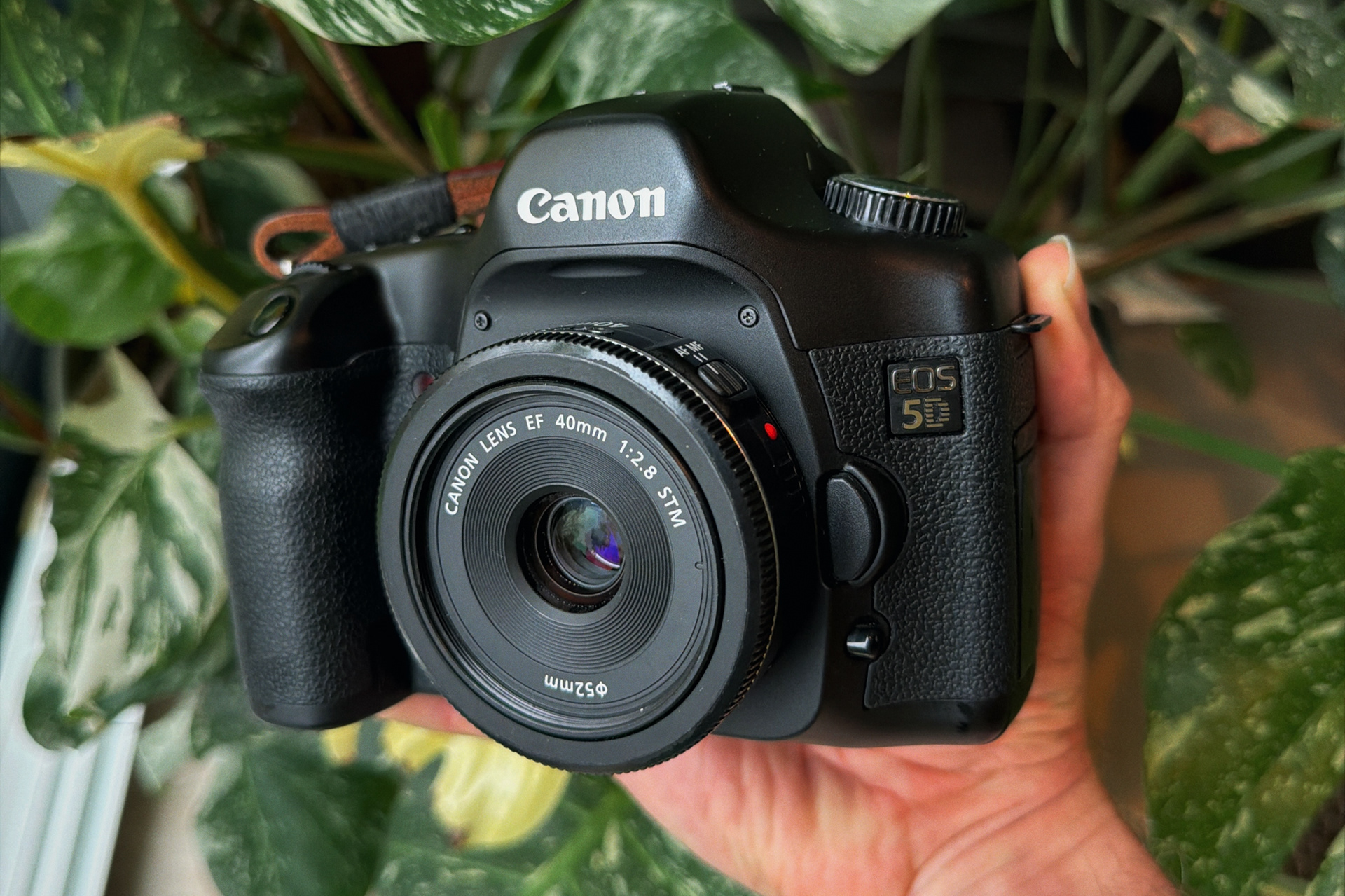
Plain English summary
The 5D Classic is for beginners who want to learn real exposure without drowning in features, and for photographers who genuinely love the classic 5D rendering. It shines in good light, rewards simple technique, and its center autofocus point is fast and trustworthy, but the rear LCD and off-center AF points remind you it’s a 20-year-old camera. If you shoot like a film photographer, it feels natural. If you rely on your screen and ISO 3200 as a lifestyle, it’ll frustrate you.
Quick specs (only what matters)
Full-frame CMOS, 12.8MP effective
RAW size / resolution: 4368 × 2912
ISO: 100–1600 (expanded 50 / 3200)
AF system: 9 selectable points + 6 assist points
Rear LCD: 2.5", 230k dots
Storage: CompactFlash (Type I/II)
RAW size / resolution: 4368 × 2912
ISO: 100–1600 (expanded 50 / 3200)
AF system: 9 selectable points + 6 assist points
Rear LCD: 2.5", 230k dots
Storage: CompactFlash (Type I/II)
What it feels like to use (especially in 2026)
The 5D Classic changes your pace immediately. The rear screen exists, but it’s not the kind of screen that seduces you into constant validation. You can use it for settings and a quick sanity check, but not for confident judging of focus or exposure, especially outside. That limitation is oddly freeing: you start reading the light again, trusting your meter, and making decisions before you press the shutter.
It also feels like a camera that expects you to know what you’re doing, or to learn quickly. If you’re coming from film, that’s comfortable. If you’re coming from a phone or modern mirrorless, it can be a culture shock in the best and worst ways.
Price reality (and how I bought mine cheap)
I bought my 5D Classic on Marktplaats for €150 in mint condition, which is exceptionally low. Most Marktplaats listings I’ve seen sit around ~€200–€275, often bundled with a grip or other extras.
My tactic was simple: I replied to listings that included accessories and asked what the price would be without those accessories. People often price bundles emotionally (“I’ll throw this in”), and splitting the bundle can get you a more realistic body-only deal.
Stores are usually pricier but safer. For example:
- MPB EU: “from €68 to €224” depending on condition
- Kamerastore: I’ve seen it listed around €116 but availability was low
- MPB EU: “from €68 to €224” depending on condition
- Kamerastore: I’ve seen it listed around €116 but availability was low
Batteries are still easy to find (aftermarket), and CompactFlash cards are available new and used. New high-performance CF can be pricier, but basic CF cards aren’t necessarily expensive. There are new 32GB CF options around €15 in NL retail, and premium cards still exist from brands like SanDisk.
Workflow in 2025: CF cards, USB-C life, and the “digital film” routine
Using a 5D Classic in 2026 is mostly about accepting one simple reality: this is not a connect and share camera. You are living the CompactFlash life, and that is honestly fine, as long as you build a workflow that does not annoy you. A small CF card wallet, a reliable card reader, and ideally one that plugs into USB C, and you are set. Think of it like shooting film: you do not judge every frame on the spot, you make the photos first, and you review them properly later on a real screen.
The upside of this older workflow is that it keeps you focused. No wireless distractions, no constant checking, no spiraling into micro adjustments. The 5D Classic works best when you treat it like a simple picture making tool and keep the computer part of photography for when you are back home.
Pros
1) 12MP is still plenty (and here’s the print math)
The 5D Classic outputs 4368 × 2912 px.
That means:
That means:
- 300 dpi: ~14.6" × 9.7" ≈ 37.0 × 24.7 cm
- 150 dpi: ~29.1" × 19.4" ≈ 74.0 × 49.3 cm
- 150 dpi: ~29.1" × 19.4" ≈ 74.0 × 49.3 cm
And now for normal people: yes, it’s enough for serious prints. And if you truly need bigger (or want extra cropping flexibility), Lightroom’s “Super Resolution” can be a very practical option.
2) Color that feels human (not “look at me”)
Canon’s mid-2000s rendering has a reputation for a reason. The files tend to feel pleasant and slightly warm, and if you’re someone who often leaves white balance on daylight (like I do), it’s forgiving in a charming way. It won’t fix bad light, but it often gives you a base that’s enjoyable before you start editing.
3) Center-point autofocus is the camera’s superpower
If you use the center AF point, autofocus is fast and reliable, honestly, sometimes surprising for its age. The moment you start relying heavily on the outer points, performance becomes less consistent. This is the 5D Classic’s reality: treat it as a “center-point camera” and it gets out of your way..
4) It pushes you into a better relationship with exposure
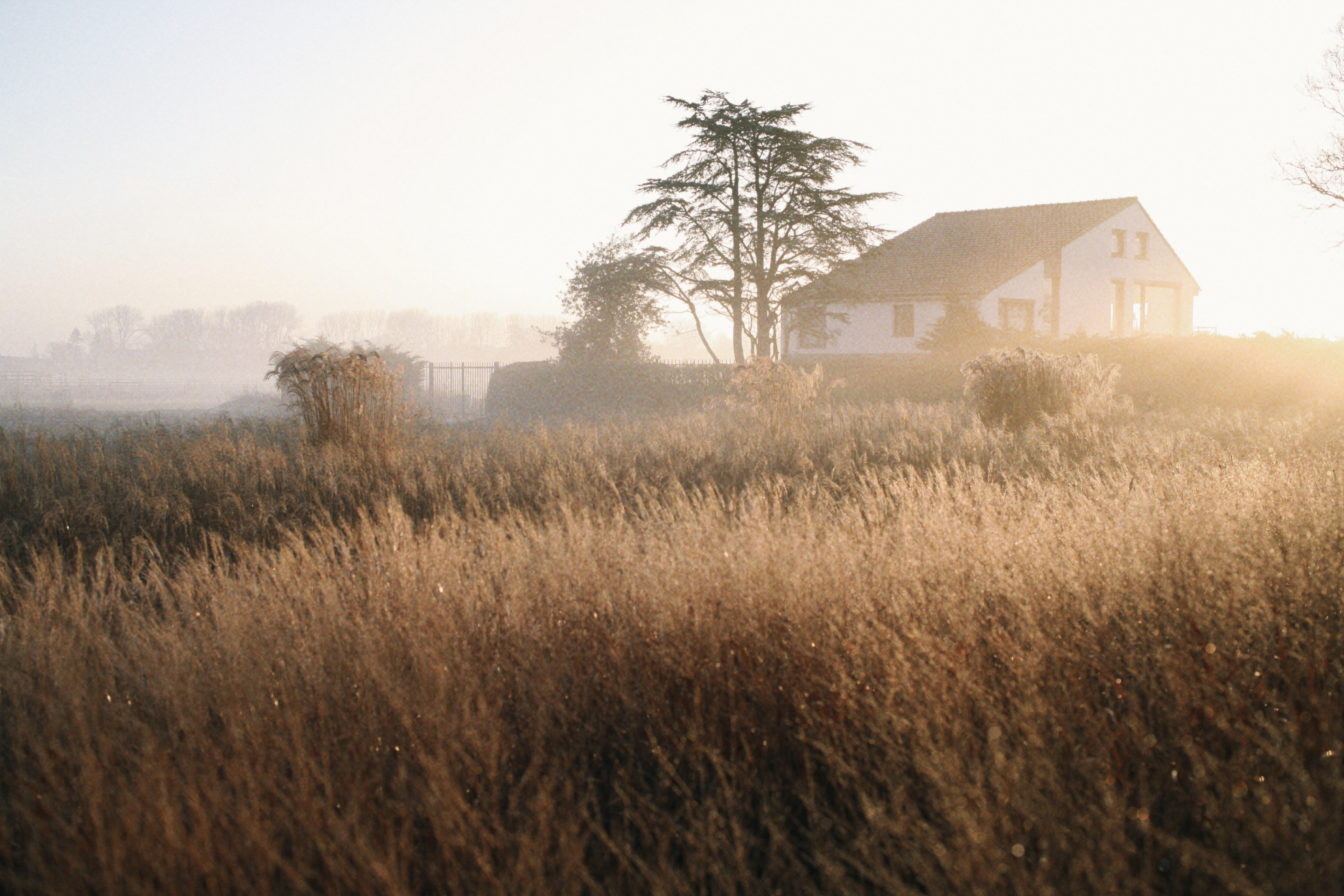
Because the LCD is limited and the files don’t have modern “save-everything” elasticity, you learn quickly: protect highlights, expose intentionally, and stop expecting automation to do the thinking. If you want a camera that makes you better (not just faster), that’s a real advantage. Or, maybe even better, lean into the blown out highlights and you are rewarded with a very "film like" bloom and glow.

Cons
1) The LCD gives away the age instantly
The rear screen is old-school: fine for menus, not something you want to “judge your life choices” on. It’s part of the charm if you’re film-minded, a dealbreaker if chimping is your safety blanket.
2) Low light: if you live above ISO 800, think twice
If your normal workflow is ISO 1600–6400 and you depend on clean files, the 5D Classic will feel limiting. In my experience, once you’re routinely above ISO 800, you’re in “accept the look” territory rather than “effortless modern convenience.”
3) Off-center AF points are the weak link
You can use them, but don’t expect modern consistency. If you do portraits or street at wider apertures, you’ll likely end up focusing with the center point and recomposing, classic technique, classic trade-off.
5D Classic vs 5D Mark II vs 6D vs D700
If you are here for the feel, the slower rhythm, the pleasant Canon color, and that classic full frame rendering, the 5D Classic is still the purest version of the idea. It asks the least from your attention in terms of features, and the most in terms of craft.
The 5D Mark II is what you pick if you want that same general Canon full frame world, but with more flexibility. It is also the body that makes one practical difference very clear: it has video. If you want the 5D vibe but with fewer hard edges, it is a sensible step up.
The 6D is usually the choice for people who like the 5D concept but want it to fit modern life a little better, especially when the light drops. It is less iconic in the romantic sense, but often more practical day to day.
And then there is the Nikon D700, the alternative I have handled and seen a lot in the used world. Different ergonomics, a different color character, and a different kind of confidence in the hand. If you are not married to EF lenses and you want another classic full frame workhorse with a strong reputation, it is the obvious cross shop.
The short version is simple. 5D Classic for simplicity and character. 5D Mark II for flexibility and video. 6D for more modern convenience. D700 if you prefer Nikon’s feel and rendering.
Lens pairing guide: keep it affordable, keep it honest
One of the underrated reasons the 5D Classic makes sense in 2026 is that EF glass is unusually affordable right now. There is a lot of good used Canon EF out there, and for beginners that matters more than chasing exotic lenses. Personally, I would not over invest in ultra expensive glass for this body. Part of the charm is keeping the whole setup realistic and accessible.
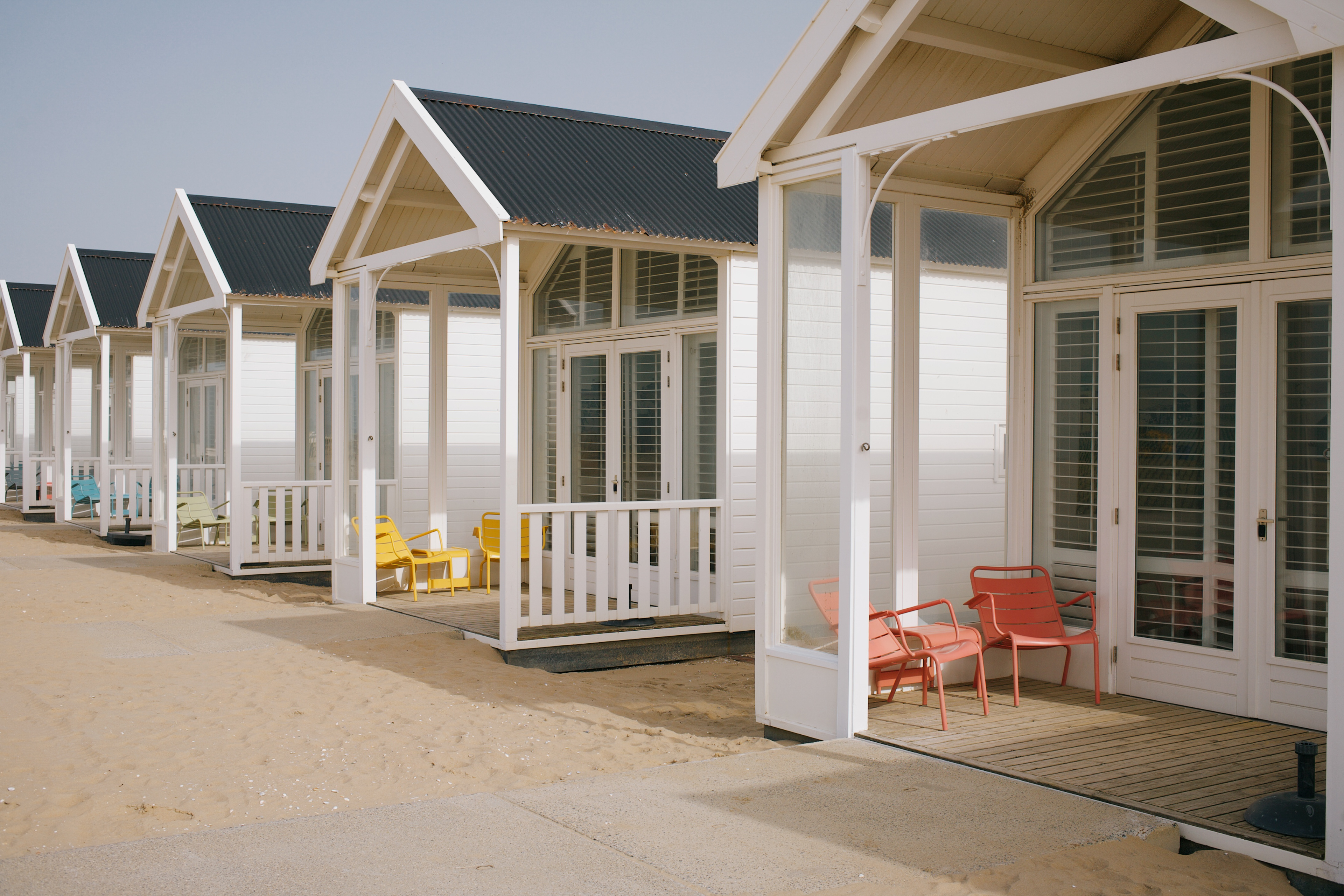
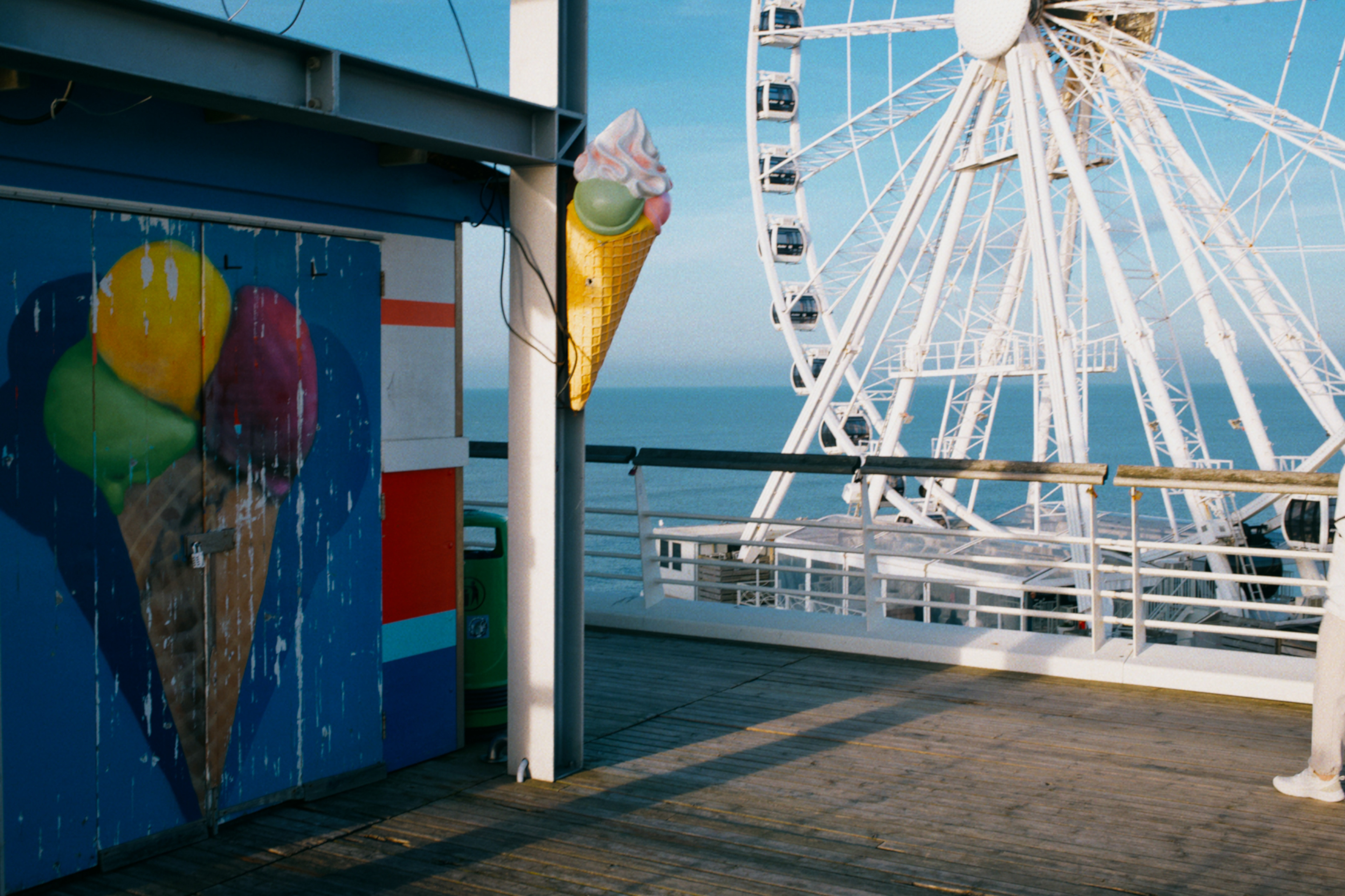
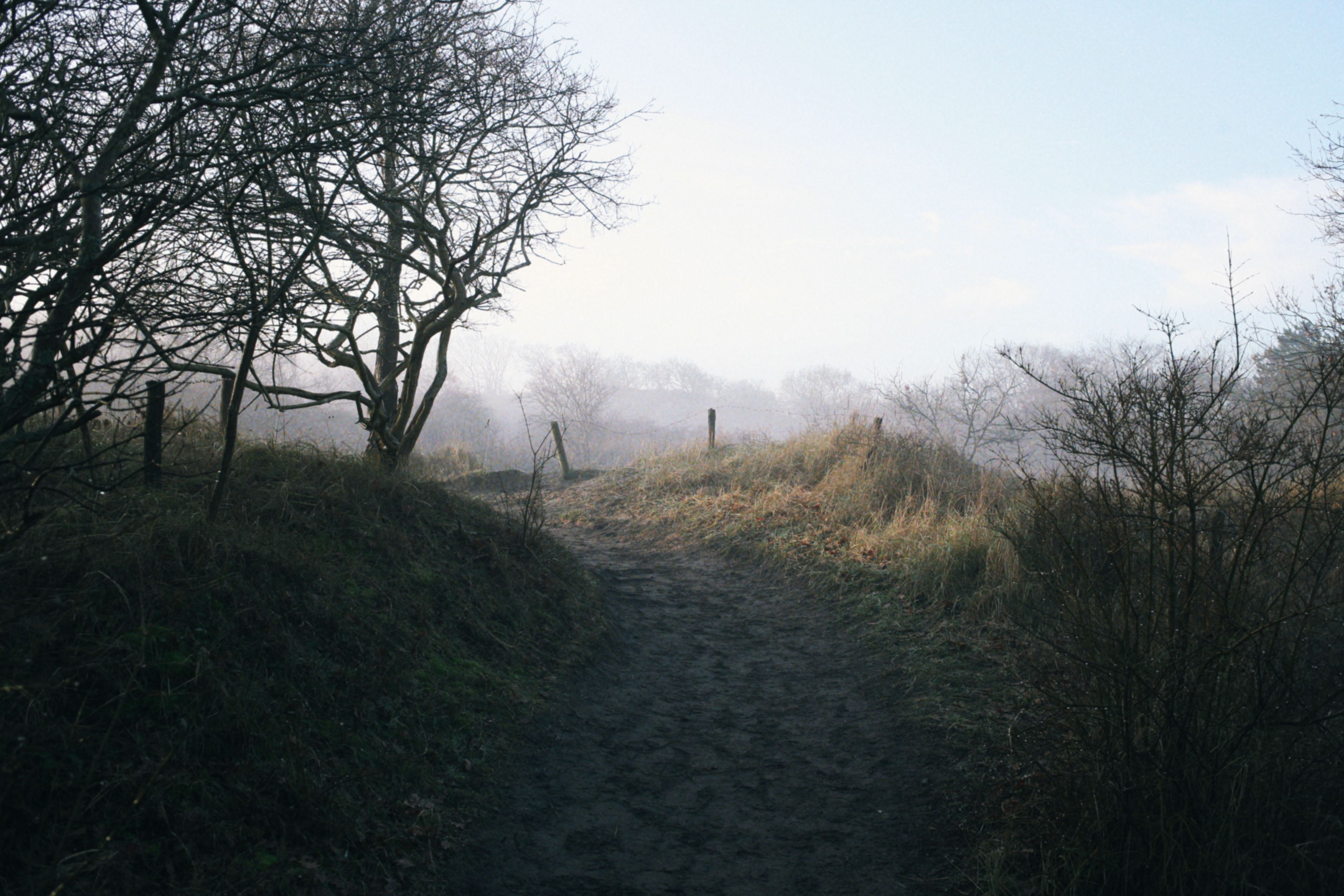
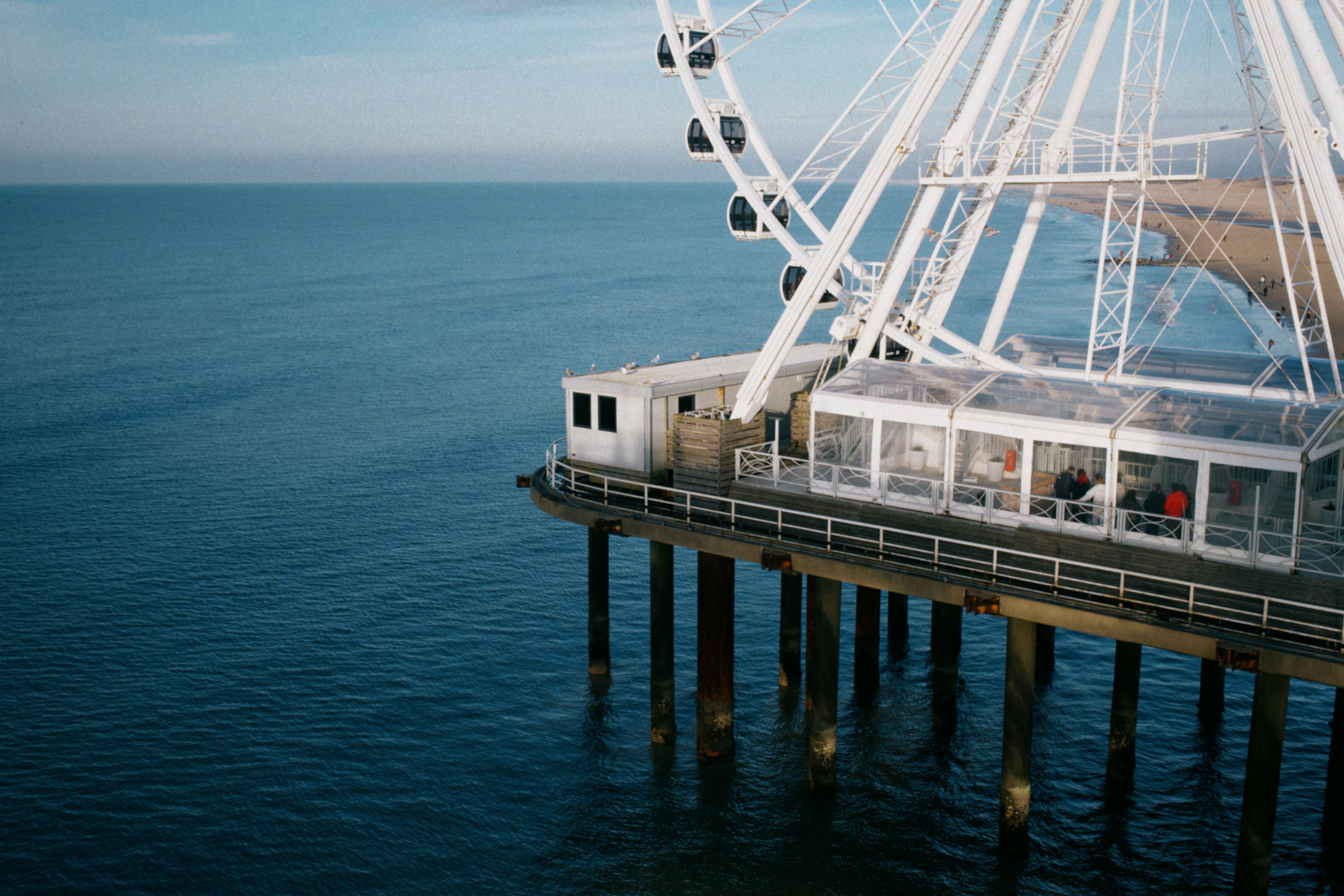
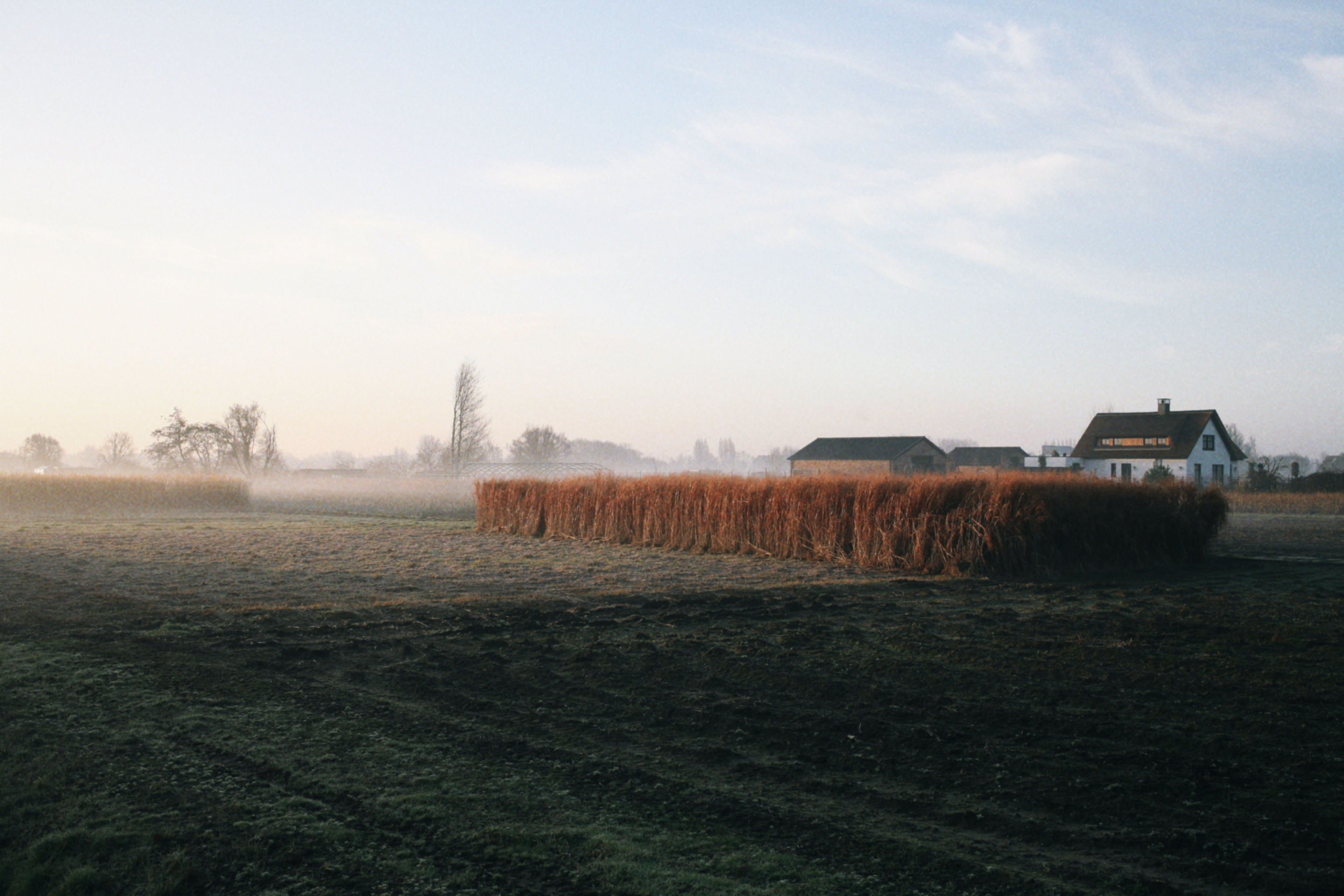
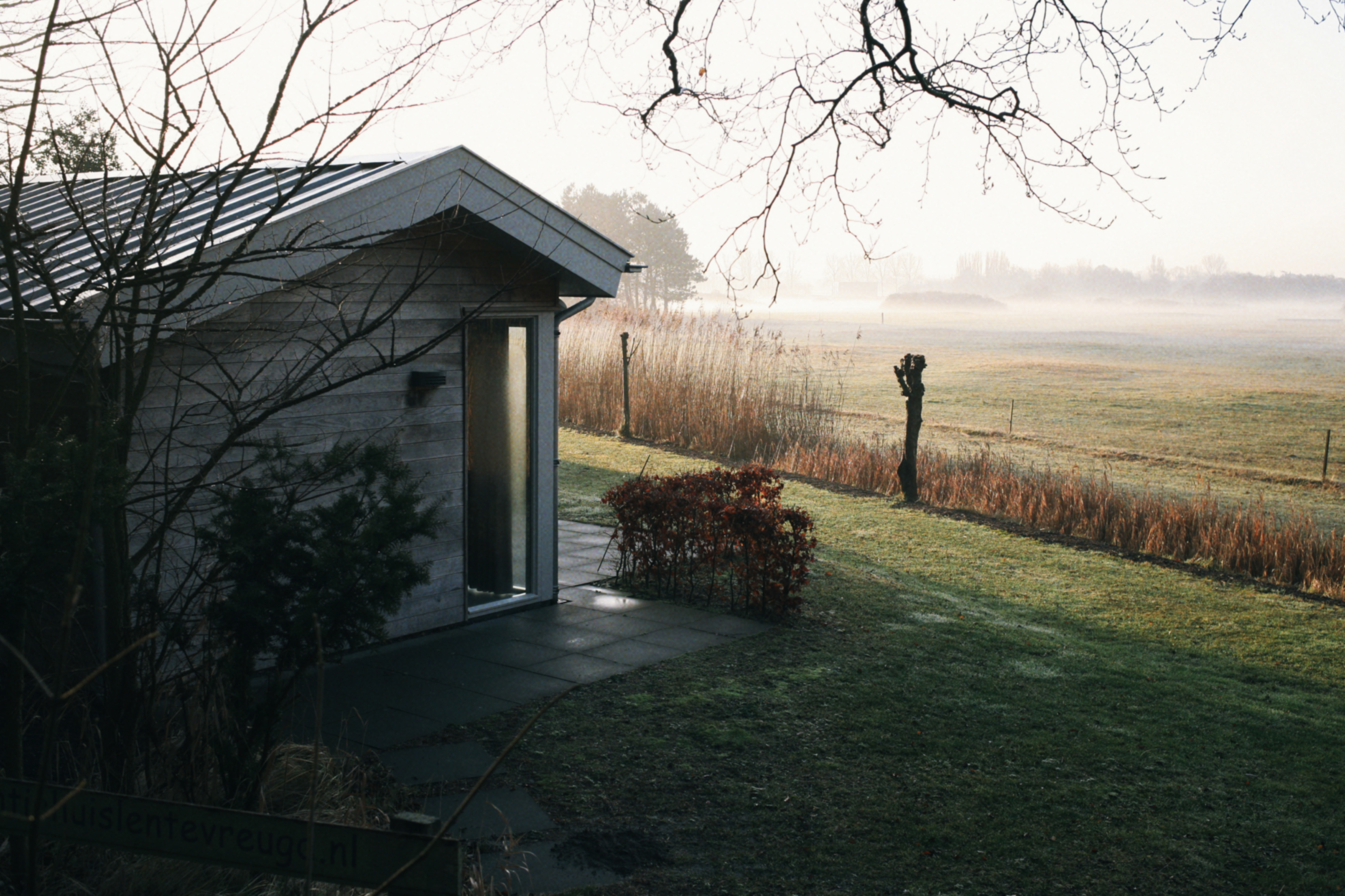
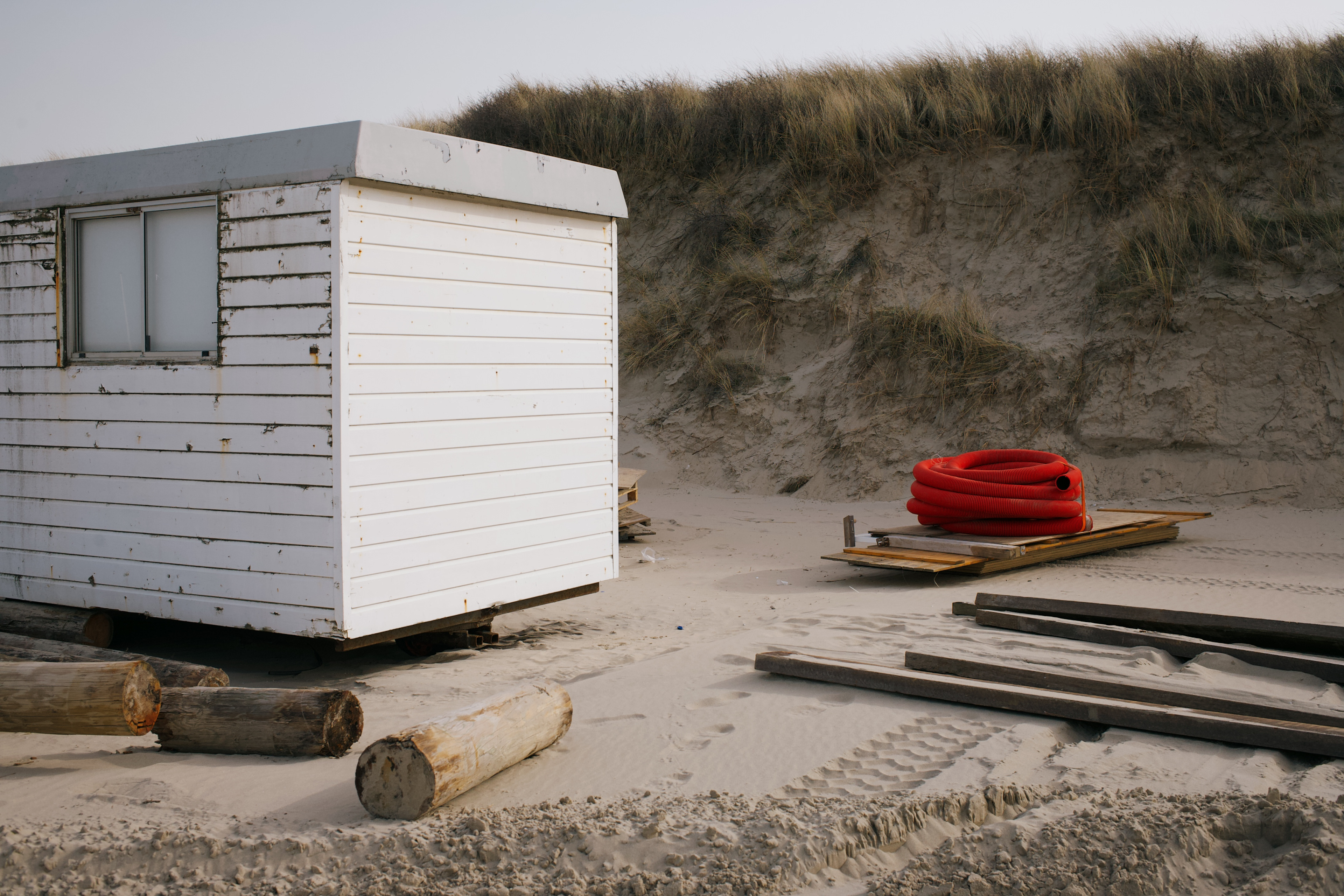
All the photos in this article were shot with the Canon 40mm f/2.8. I love it on the 5D Classic because it renders beautifully without looking clinical. It has that quiet “just enough” character, clean where it needs to be, but never sterile, and it matches the sensor’s look in a really natural way. It is also small and light, which makes the whole camera feel less like a brick you only bring for serious shoots.
If I had to name one exception where spending big can still make emotional sense, it is the Canon 50mm f/1.2. That lens is one of those rare cases where the lens itself becomes the point. Expensive, yes, but so good that it can be worth owning on its own, regardless of which body you mount it on.
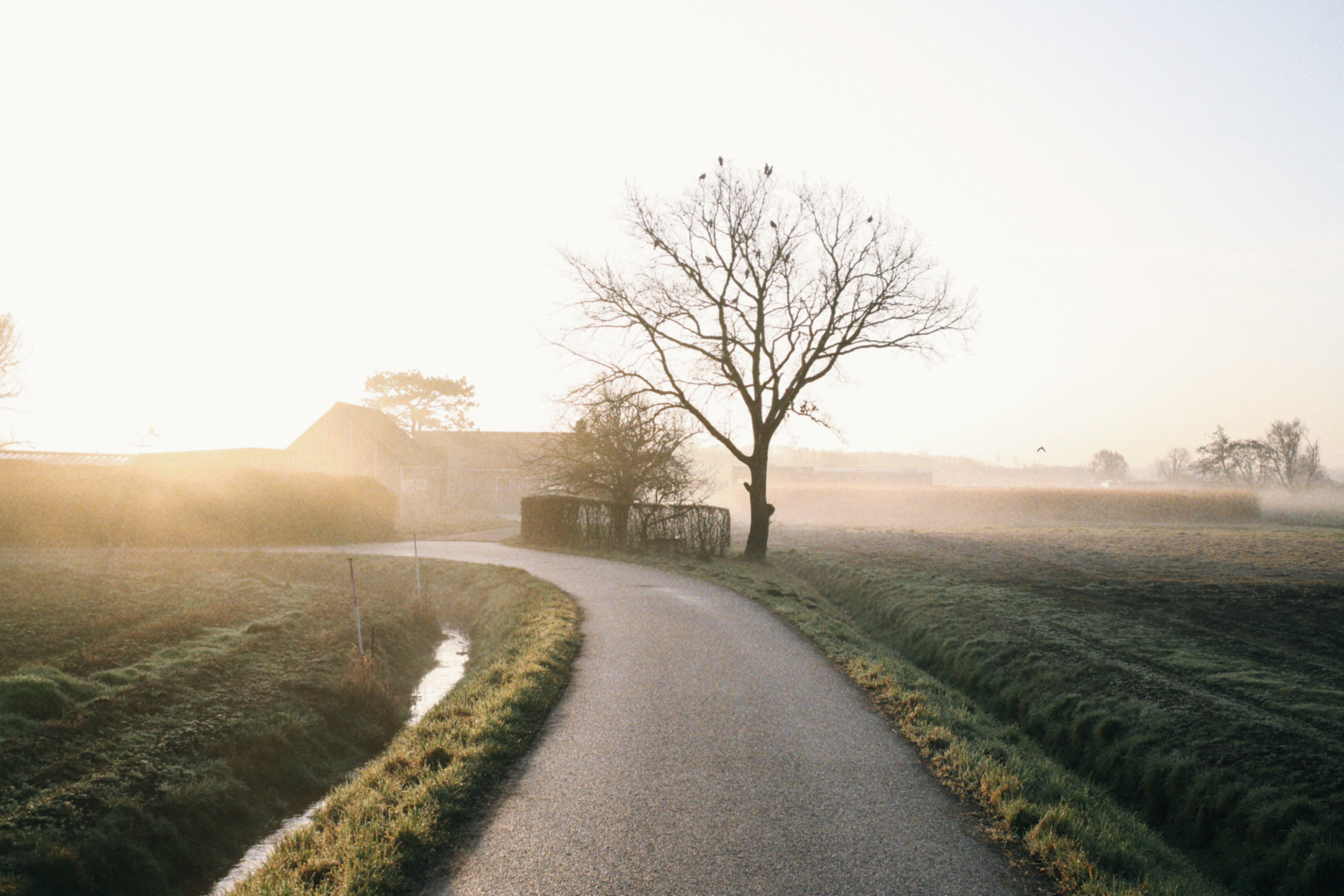
Example of blown out highlights on the Canon 5D classic
Buying used: known issues (and what it can cost)
Here’s the practical list I’d want if I were buying today:
- Mirror detachment (service notice): In rare cases the main mirror can detach due to adhesive deterioration. Canon issued an official service notice about this issue. Fix cost today: varies widely by repair shop and region; it can be anywhere from “not too bad” to “why bother,” so get a quote if you see symptoms.
- Sticky/grippy rubber coating (common on old gear): If the grip feels tacky, one DIY approach is a baking soda + water paste with a toothbrush (go gently; test a small area).
- CF slot / card door wear: Because it uses CompactFlash, check that cards insert smoothly and the door feels solid. If you’re worried about media availability: CF cards are still sold new, and used ones are everywhere.
- Shutter wear (the “big repair”): With bodies this old, assume shutter replacement could cost a meaningful chunk of the camera’s value. For reference, a Dutch repair shop lists shutter replacement for later Canon bodies like the 5D Mark III around €275 and 5D Mark IV €295 (not the 5D Classic specifically, but it gives you the order of magnitude).
Known issues checklist: what to check, and what is easy to fix
If you are buying used, do yourself a favor and run a quick checklist before you get emotionally attached.
1. Mirror detachment history. Rare, but known, and worth being aware of.
2. Sticky rubber coating. Very common on older bodies. If the grip feels tacky, you can often clean it gently with a soft toothbrush and a little baking powder paste. It is not glamorous, but it can make the body feel surprisingly fresh again.
3. CF slot and pins. Make sure cards insert smoothly and the camera writes files consistently.
4. Buttons and dials. They should not skip, stick, or feel unpredictable.
5. Doors and seals. Battery door and card door should close confidently, not with a wobble.
2. Sticky rubber coating. Very common on older bodies. If the grip feels tacky, you can often clean it gently with a soft toothbrush and a little baking powder paste. It is not glamorous, but it can make the body feel surprisingly fresh again.
3. CF slot and pins. Make sure cards insert smoothly and the camera writes files consistently.
4. Buttons and dials. They should not skip, stick, or feel unpredictable.
5. Doors and seals. Battery door and card door should close confidently, not with a wobble.
None of these are automatic dealbreakers, but they are exactly the kind of small issues that can turn a bargain into a headache.
Best for/not best for
Best for photographers who want an affordable full-frame camera with a calm, deliberate workflow: portraits, travel, documentary, and landscapes in decent light. Especially if you appreciate classic Canon color and don’t mind working with the center AF point. Not for photographers who need modern low-light freedom, dependable off-center AF, or who rely on a sharp rear screen to confirm exposure and focus after every shot.
Verdict
In 2026, the 5D Classic is not a “cheap full-frame flex.” It’s a creative reset button. It asks less of your wallet and more of your attention, and that’s exactly why it still matters. If you’re tired of chasing the newest shortcut to “film vibe,” going backward to a camera like this can feel like the most honest move you’ve made in years.
Buy it because you want its pace and rendering, not because you want it to behave like a modern machine. Treat it like digital film: expose with intent, keep it simple, and let the camera do what it’s always done best, make nice-looking pictures without making a big show of it.
FAQ
Is 12MP enough for print/work?
Yes. At 300 dpi you’re around 37 × 24.7 cm, at 150 dpi around 74 × 49.3 cm from the native file. And if you need more, Lightroom’s Super Resolution is a solid option.
How do I get that “5D film look” without presets?
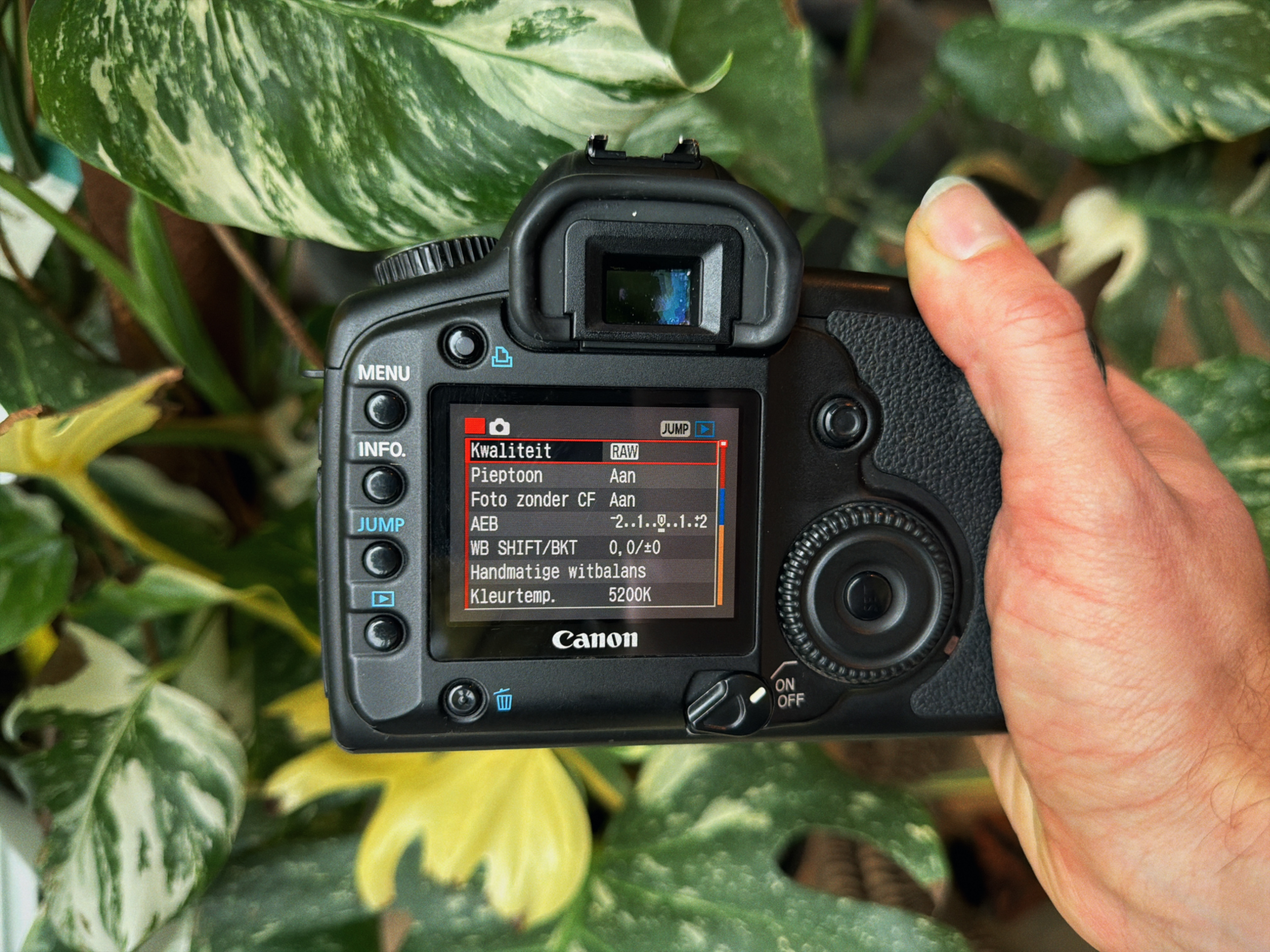
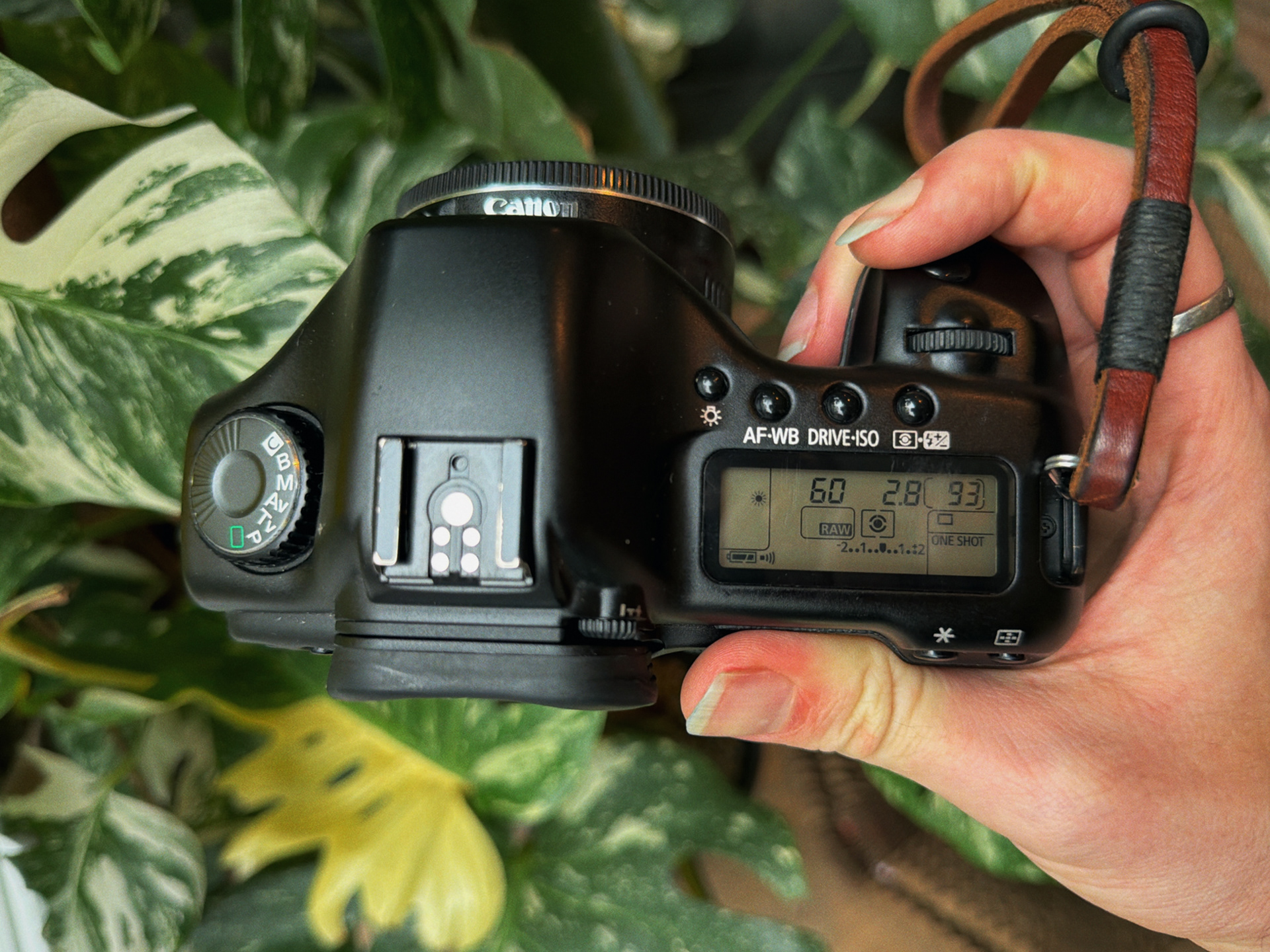
My simple recipe: shoot ISO 400 for a bit of natural-looking texture, keep White Balance on Daylight (even into dusk), and don’t over-sharpen in-camera. Let the file breathe.
Does autofocus on de Canon 5D work for portraits/street?
Yes, if you use the center point. That’s the reliable mode. Treat outer points as “nice to have,” not your foundation.
Where does it go wrong in 2026?
If you need the rear screen to confirm exposure/focus, or if you habitually shoot above ISO 800 and expect modern cleanliness, you’ll fight the camera more than you’ll enjoy it.
What settings do you personally use?
I set the picture style to Neutral with minimal sharpening. Sharpening is something Lightroom (or even a phone editor) can do more intelligently, and I’d rather keep the file natural.
Are batteries and CF cards hard to get?
Batteries (aftermarket) are still easy to get for the Canon 5D Classic. CF cards are still sold new and used; basic ones can be cheap, while faster “premium” cards can cost more.
What’s the most important used-buy check?
General condition, CF slot/door, button feel, sensor cleanliness, and, if possible, confirm that the center AF locks confidently in normal light. Also be aware of the mirror detachment service notice history.
About the author
I’m a creator-first reviewer with a film-forward mindset. I shot the 5D when it was new, then worked extensively with the 5D Mark II in portrait and wedding work. For the last ~15 years I’ve been almost exclusively a film photographer, and I recently bought the 5D Classic again, this time mainly for landscape. I’ve also spent years working in camera stores, handling used bodies daily, including lots of 5Ds and alternatives like the Nikon D700. My focus isn’t lab stats, it’s whether a camera helps you make pictures with intent, and whether you’ll actually enjoy using it.