A brand-new film camera in 2026 is honestly kind of wild—not “new to you because you found it on eBay,” but genuinely new, on the shelf, and built right now. That alone is something I want to encourage, because film doesn’t just survive on nostalgia; it survives on momentum. Still, I’m not going to be rosy about a camera just because it exists. I tested the Kodak Snapic A1 the only way I know how: I took it on a trip to Austria and shot 10 rolls of 35mm film, and then developed and scanned everything myself. What follows is a creator-first review of a very low-priced camera that can be genuinely fun, and genuinely quirky in ways you’ll want to know before you pack it for a trip.
The Snapic A1 in plain English
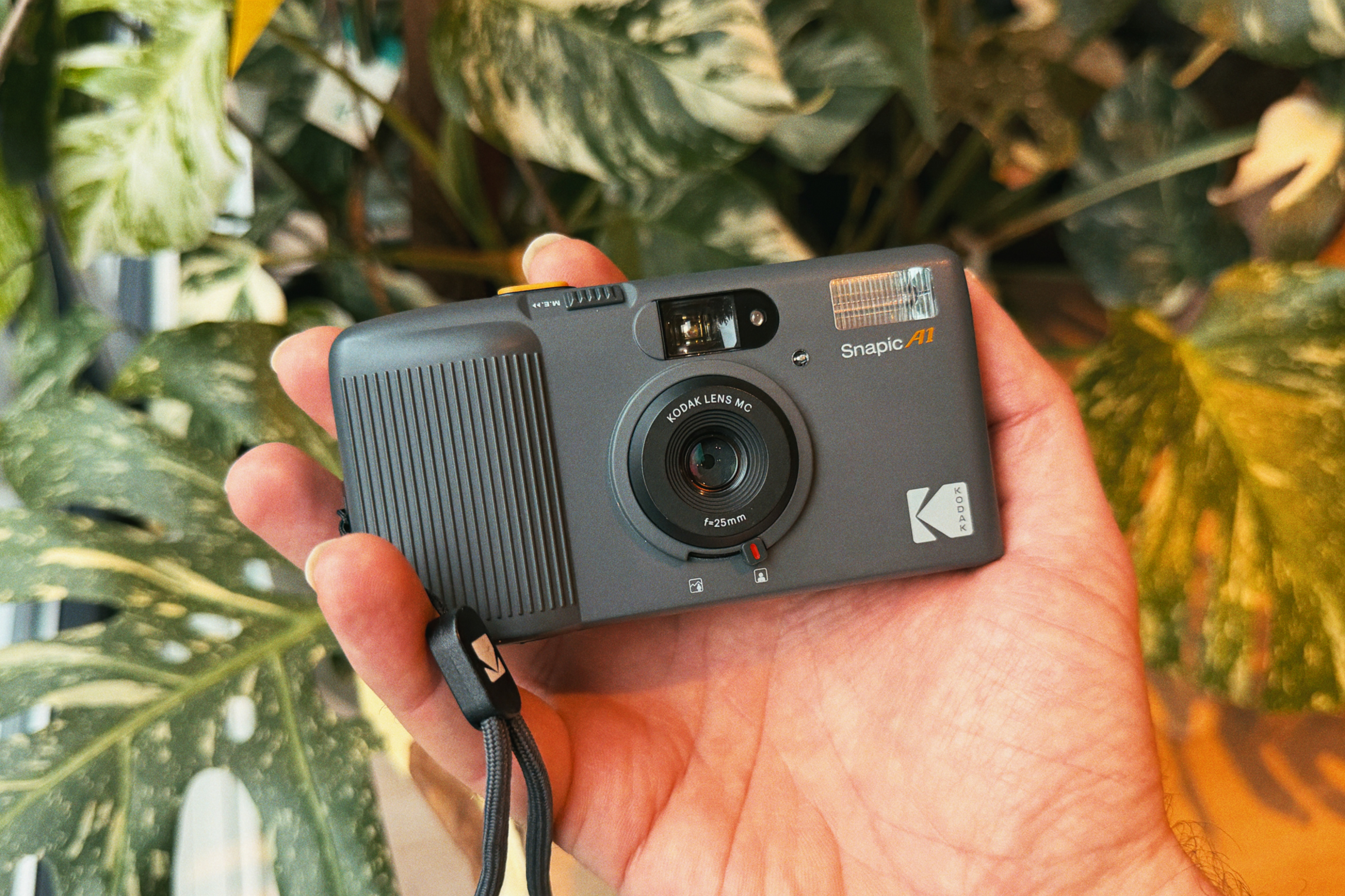
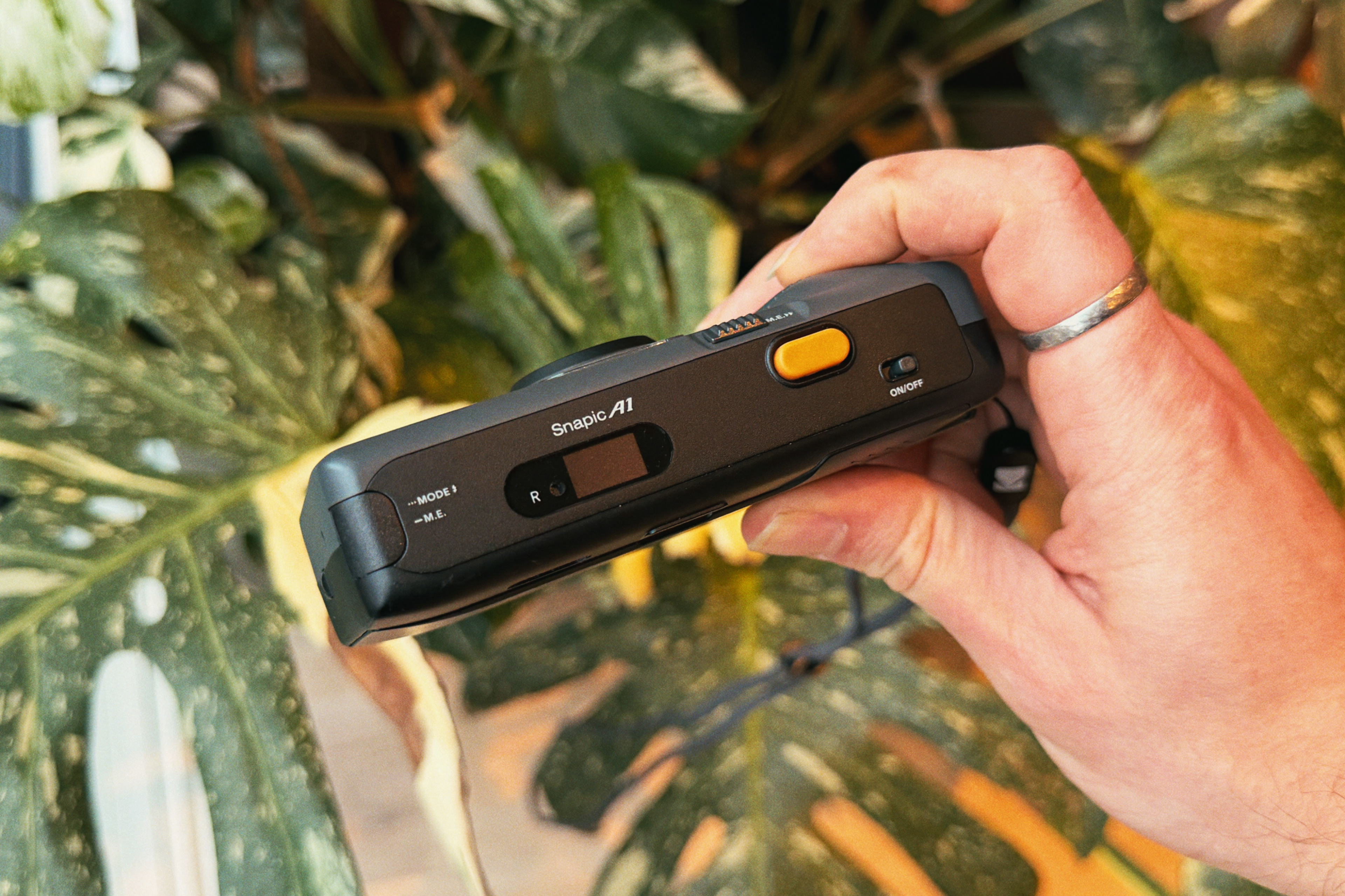
If you don’t speak camera-spec, here’s the simple version: the Kodak Snapic A1 is a tiny 35mm point-and-shoot designed to make film feel easy again. You load the roll, it advances automatically, rewinds for you, and keeps the whole experience focused on shooting—not on fiddling. You get a wide lens, a built-in flash, and a double exposure mode that’s clearly there to encourage play rather than perfection.
That ease comes from one big design decision: fixed exposure. You’re not “dialing it in” per scene, so the camera rewards good light and a film stock with enough latitude to handle small over- or underexposures. In practice, that’s exactly why it works so well as a travel camera. It’s at its best on holidays, hikes, city walks, and quick outdoor portraits—moments where you want something small, fast, and fun, and where experimentation (like double exposures) feels like a feature instead of a risk.
Where it doesn’t fit is just as clear. If you shoot mostly indoors, often in low light, or you want control over shutter speed and aperture, the Snapic A1 will feel limiting. The flash can help, but it won’t magically turn dark rooms into clean, effortless frames, and the lens can occasionally throw in unpredictable flare that you only discover after the fact. If you’re okay with those boundaries, and you actually enjoy a camera that nudges you toward spontaneity, then this one makes a lot of sense.
Quick specs (just the useful stuff)
Film / format: 35mm full frame (36×24mm)
Lens: 25mm, 3-element glass lens
Exposure (fixed): f/9.5 and 1/100s
Focus: two-zone (0.5–1.5m and 1.5m–∞)
Flash: built-in (GN8), with on/off and red-eye reduction
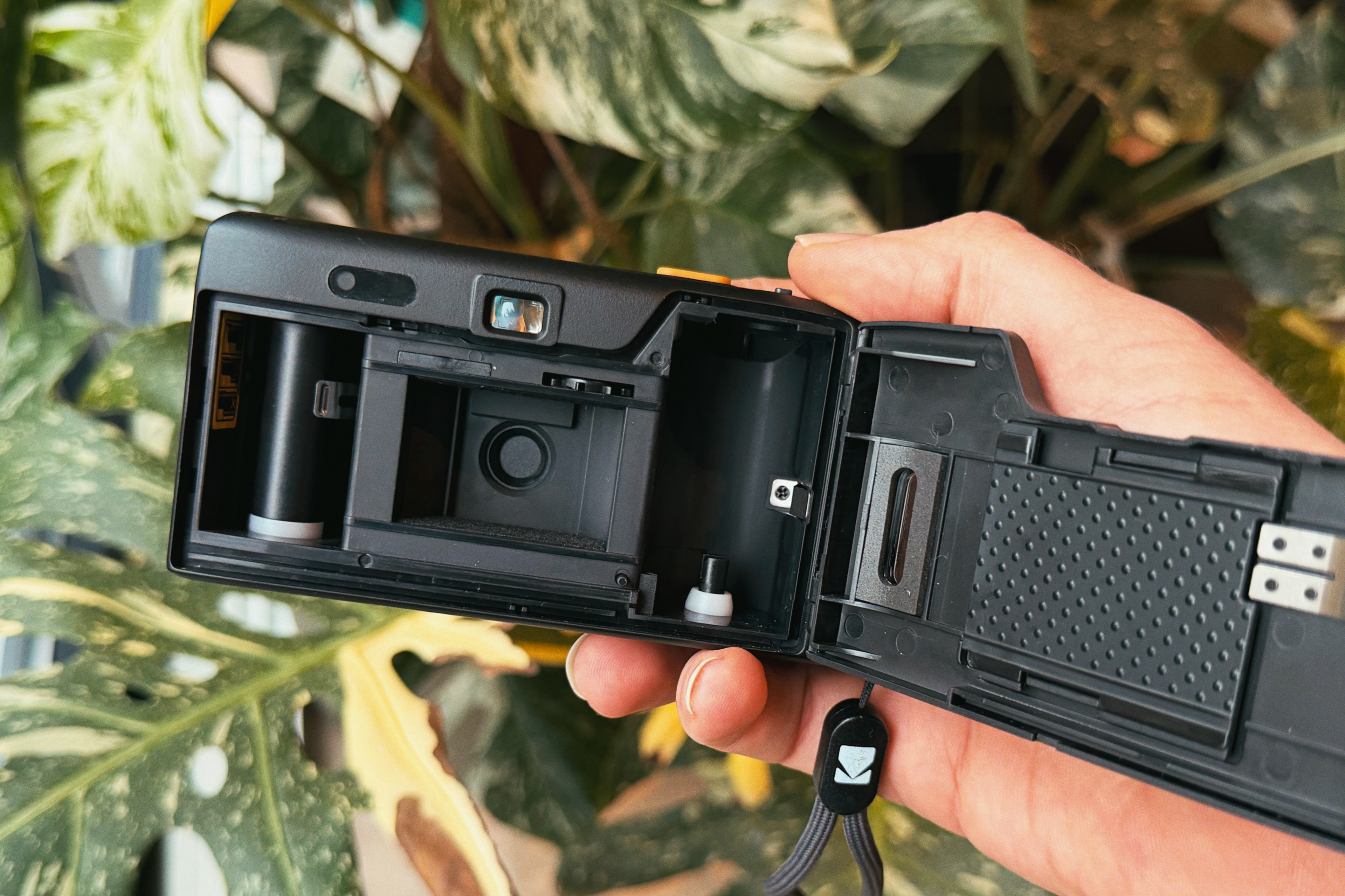
Film handling: auto load/advance + auto rewind, plus forced rewind button
Power: 2× AAA
Size/weight: 118×62×35mm, ~117g
Price positioning: launched around $99 / £99 / € 119 (varies by retailer/region)
Lens: 25mm, 3-element glass lens
Exposure (fixed): f/9.5 and 1/100s
Focus: two-zone (0.5–1.5m and 1.5m–∞)
Flash: built-in (GN8), with on/off and red-eye reduction
Film handling: auto load/advance + auto rewind, plus forced rewind button
Power: 2× AAA
Size/weight: 118×62×35mm, ~117g
Price positioning: launched around $99 / £99 / € 119 (varies by retailer/region)
One extra context detail I like to be transparent about: the product is manufactured by RETO Production Ltd under Kodak license.
How it felt to use in Austria
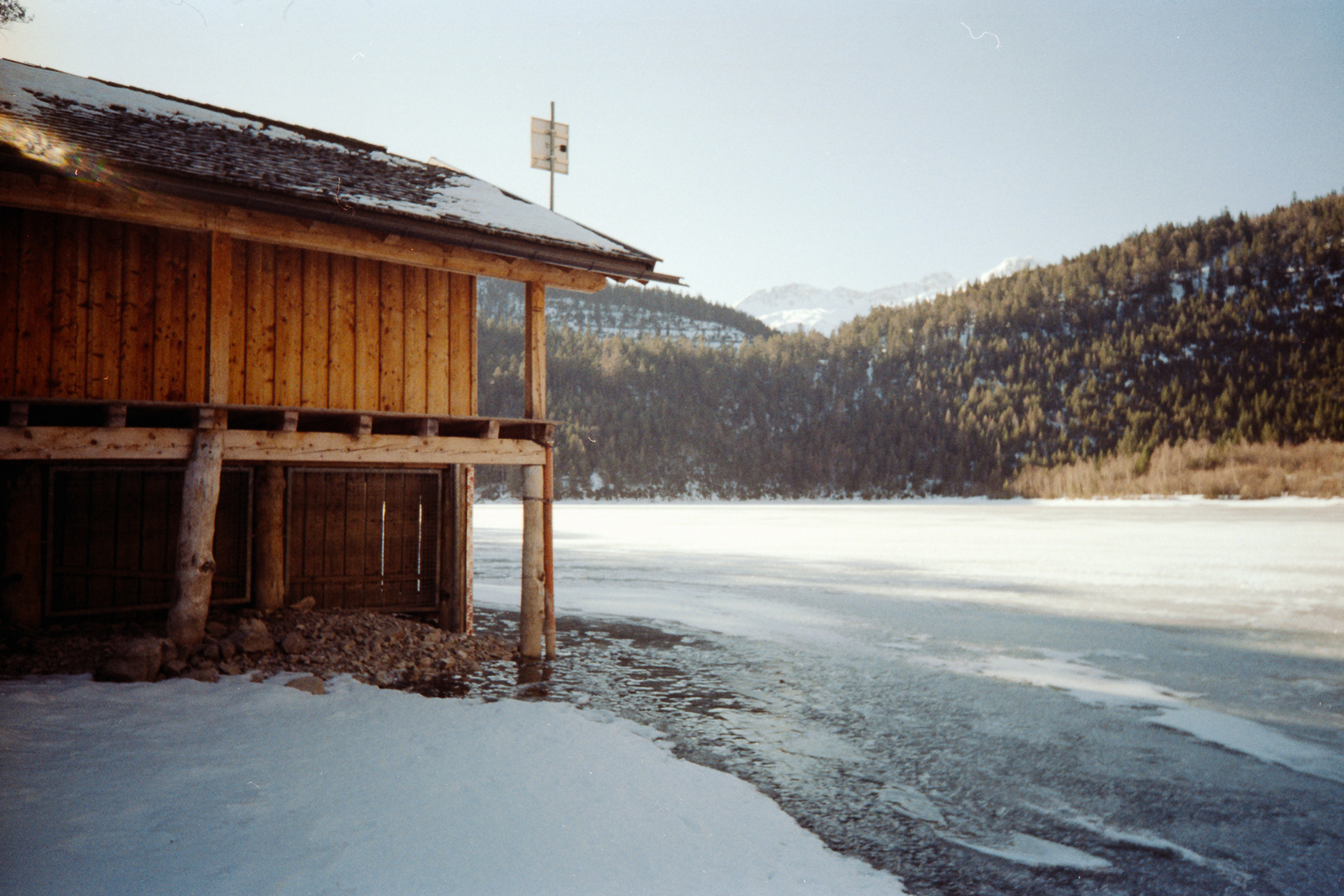
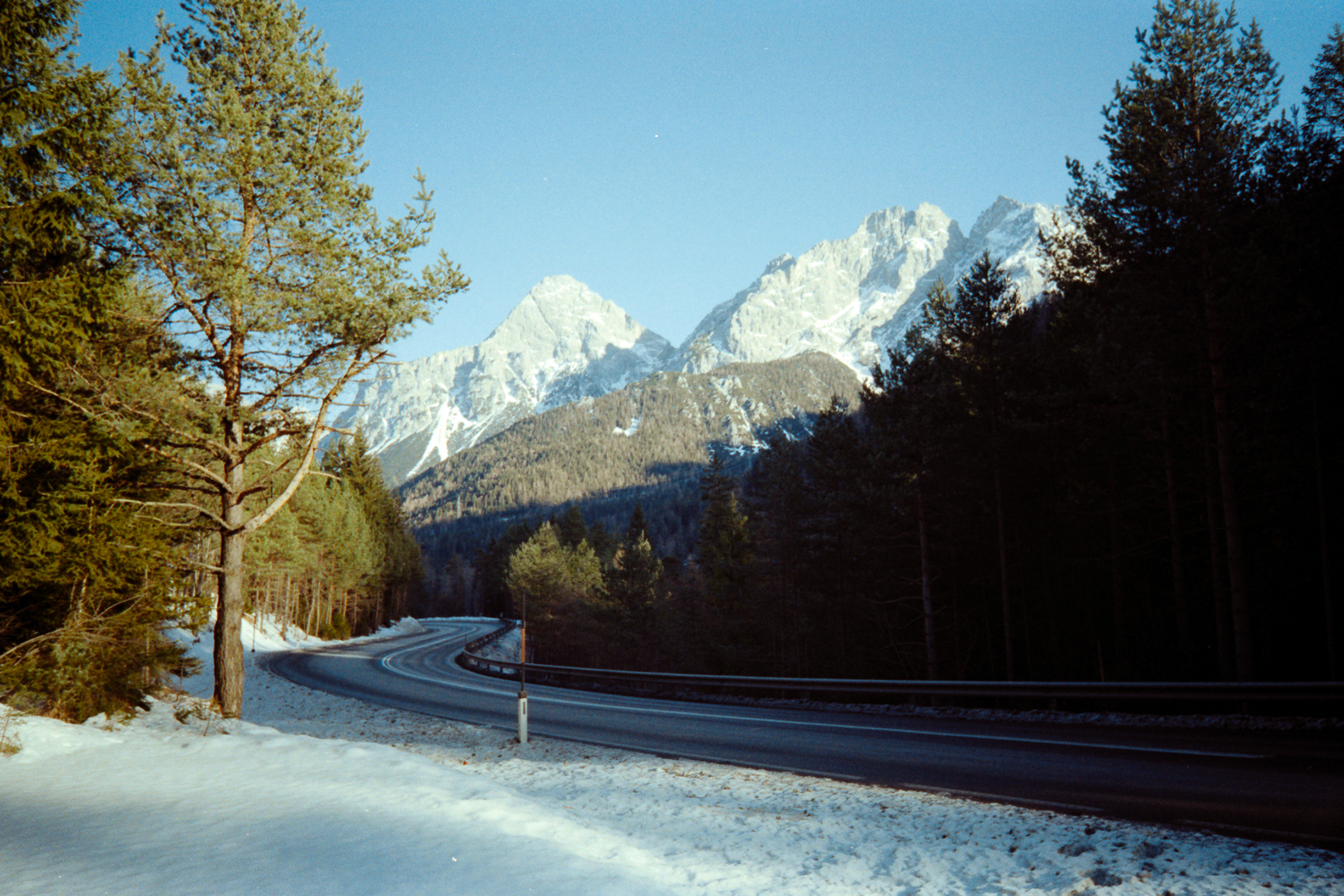
What specs don’t capture is the tempo of a camera, and the Snapic A1 has a tempo that’s hard not to like. It’s small enough that you actually carry it, and because it advances and rewinds automatically, you spend less time “doing film admin” and more time noticing light, gestures, and small scenes that would otherwise slip by. That convenience had a side effect I didn’t expect: I burned through film fast, not because I was spraying, but because the camera kept me in a playful headspace where “try it” felt easier than “overthink it.”
That playfulness is most obvious in the double exposure feature. It’s not something every serious photographer will care about, but it’s absolutely something a curious maker will enjoy, because it rewards experiments and happy accidents.
What I loved (and why I kept reaching for it)
It’s genuinely travel-friendly
The Snapic A1 is one of those cameras that fits the reality of travel: pockets, gloves, cold hands, quick moments, and not wanting to carry “a whole system.” The included strap and pouch also help it feel like a complete little kit instead of a bare plastic object you’re afraid to scratch.
The lens has real character in a good way
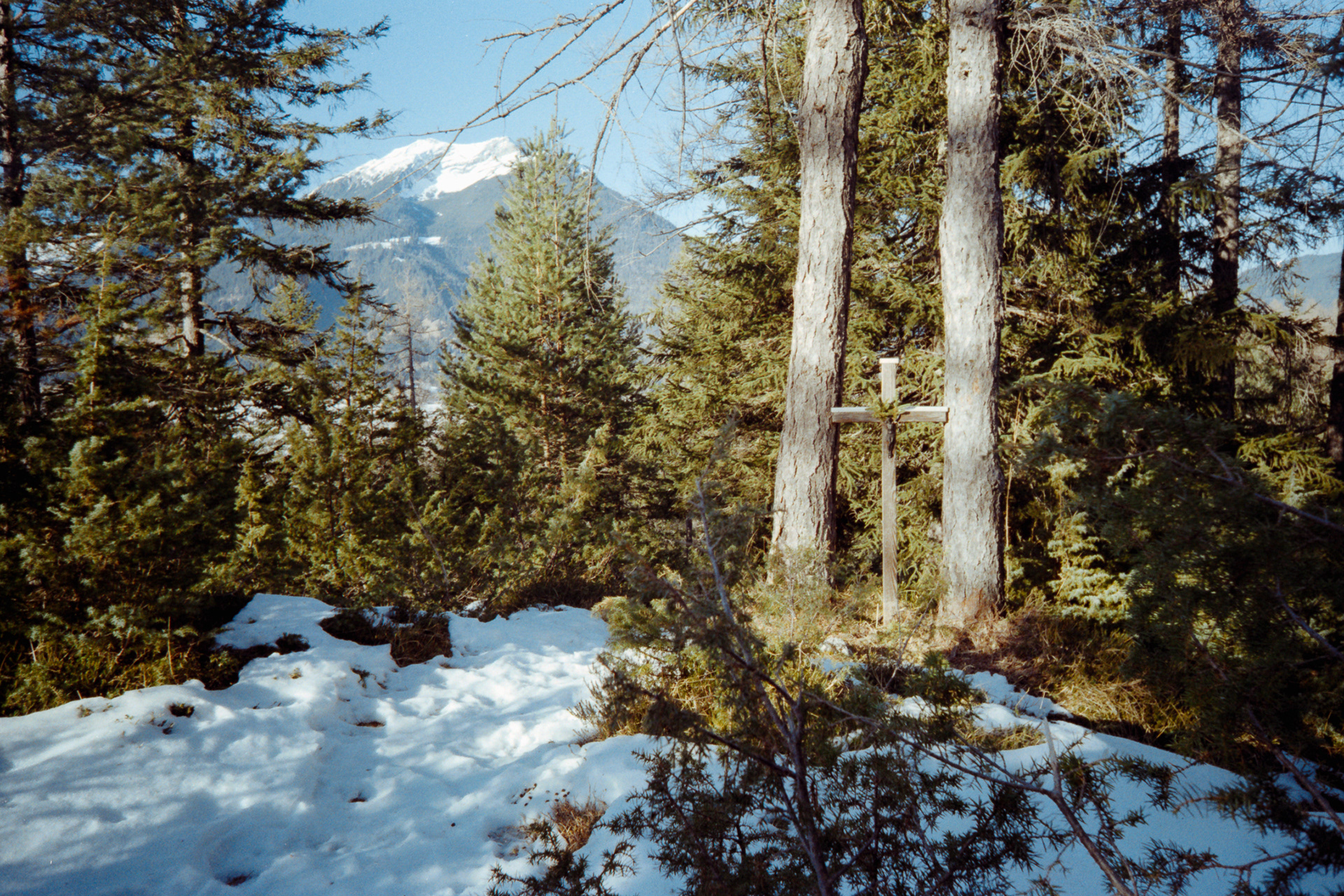
For a budget camera, the images can have a surprising amount of punch. I found the look to be contrasty with pleasing color—more “clean and lively” than “muddy and disposable.” The fact that it’s a 3-element glass lens does seem to show up in the results, especially when the light is good.
Battery life is a non-issue in practice
On my end, after 10 rolls the battery indicator didn’t meaningfully change. I won’t pretend everyone will get identical results, but it matches the general expectation that AAA power should last for multiple rolls, and it’s a relief when you’re traveling.
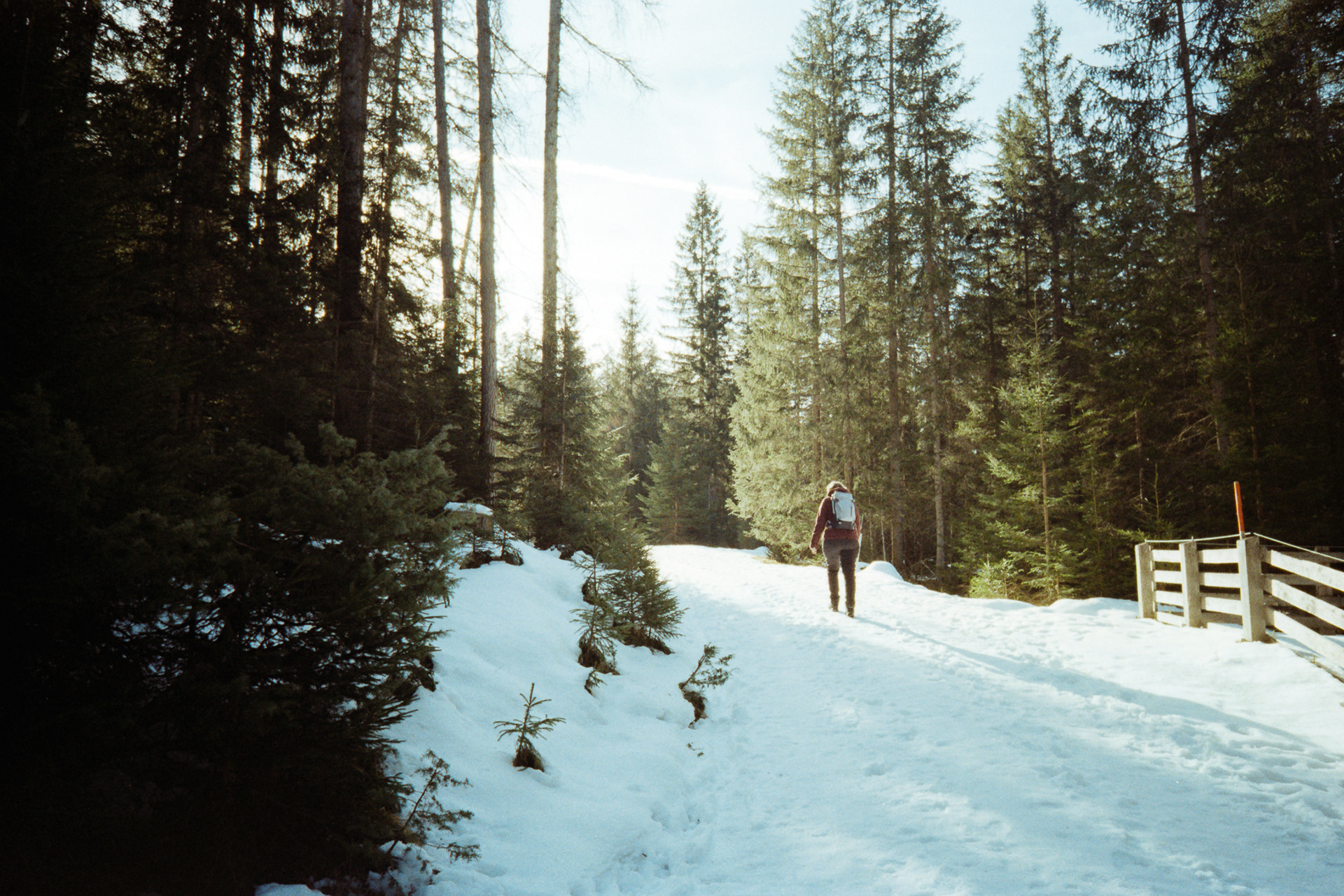
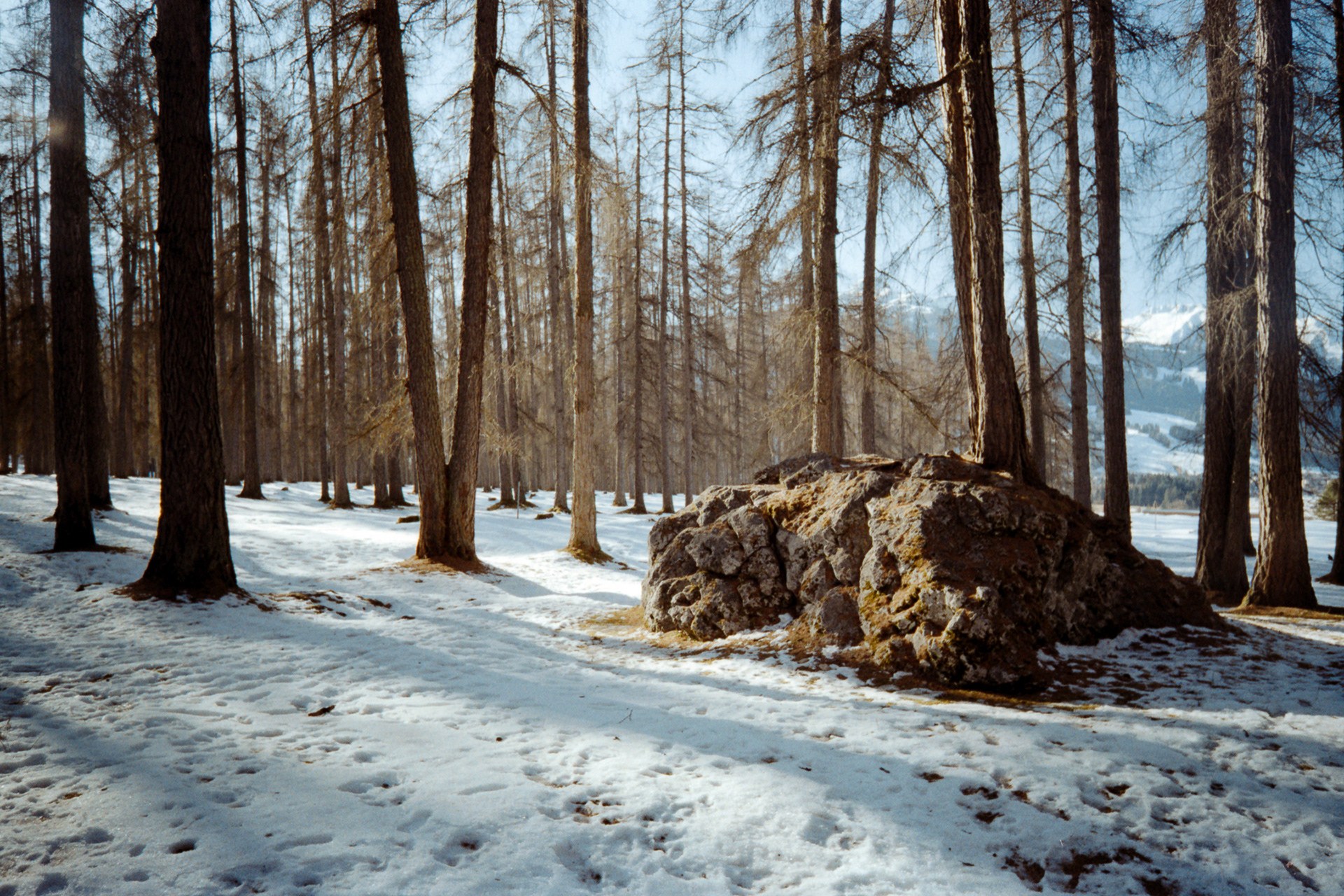
Example of punchy contrast from the Snapic A1
What bothered me (the quirks you should know)
Film advance can be inconsistent, especially in the cold
My biggest negative point is that the camera didn’t always advance the film consistently. Sometimes it took up to a few seconds after making an exposure before it moved on, which is not what you want when your subject is moving or your fingers are freezing. Yes, I was shooting in cold conditions, but that still counts—travel cameras don’t get to opt out of winter. Since the Snapic A1 is battery-dependent, cold + AAA performance is also a realistic variable you should plan for.
Flare can be strange, and you won’t see it coming
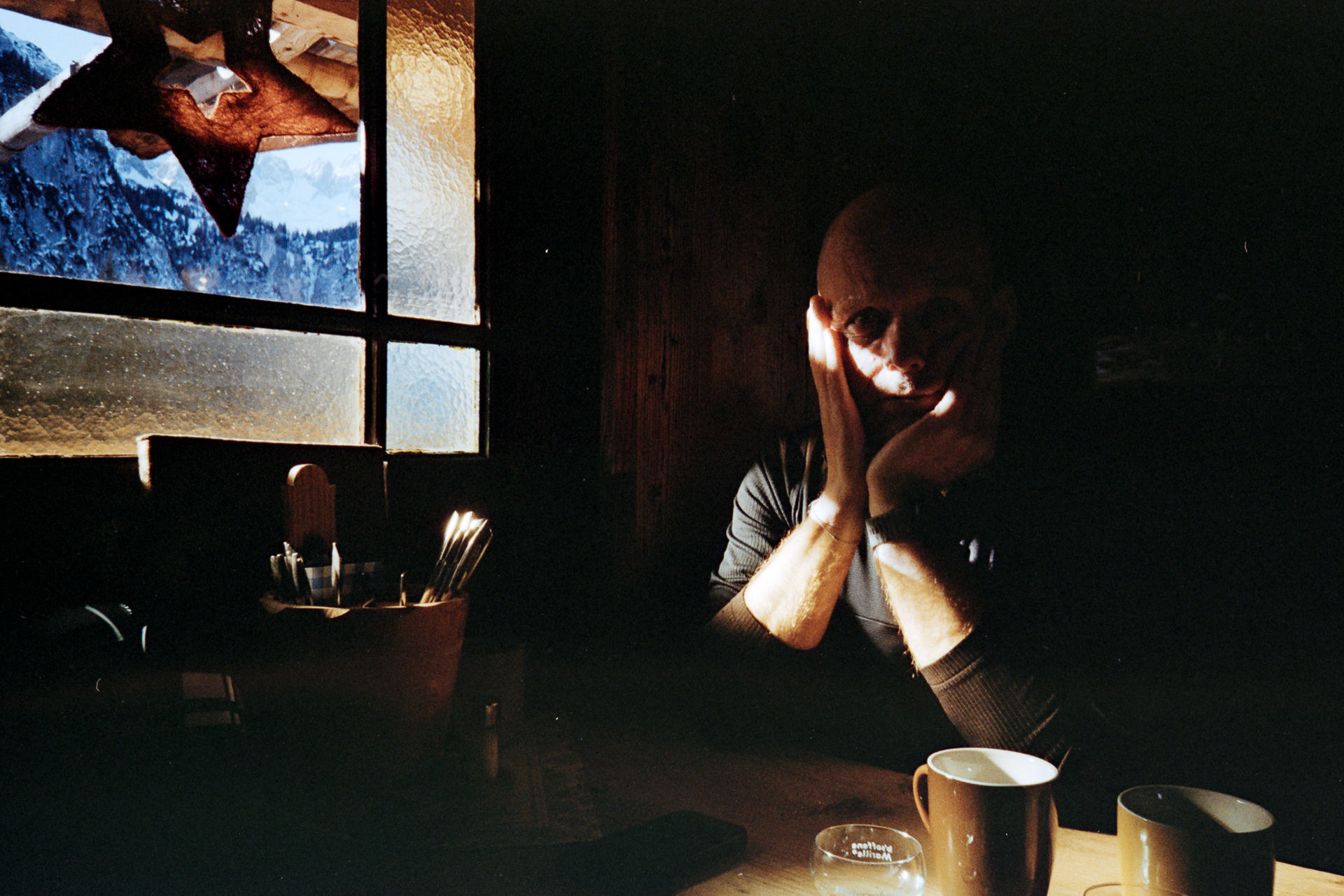
The lens is generally good, but it can create flare that looks oddly shaped. The tricky part is that you can’t preview anything, and the flare doesn’t always present itself clearly through the experience of composing. Sometimes that surprise is charming; sometimes it hijacks a frame. If you like imperfections, you’ll call it character. If you want predictability, this will annoy you.
Fixed exposure means film choice matters a lot
Because the camera is locked at f/9.5 and 1/100s, it’s basically living in a “bright day” worldview.
In practice that means you should treat film selection like your main control. I’d strongly recommend shooting stocks with generous latitude (especially color negative) so the film can absorb small overexposures gracefully. Indoors without flash, this camera is simply not in its comfort zone, and it’s better to accept that than to fight it.
In practice that means you should treat film selection like your main control. I’d strongly recommend shooting stocks with generous latitude (especially color negative) so the film can absorb small overexposures gracefully. Indoors without flash, this camera is simply not in its comfort zone, and it’s better to accept that than to fight it.
The flash is fun, but not powerful
The built-in flash works and it’s a nice inclusion, but it’s not a tiny sun. It’s most reliable at close-to-normal party distances, and after that you’re quickly asking a lot from it. If your idea of “holiday photos” includes night interiors without flash aesthetics, you’ll hit the limits quickly.
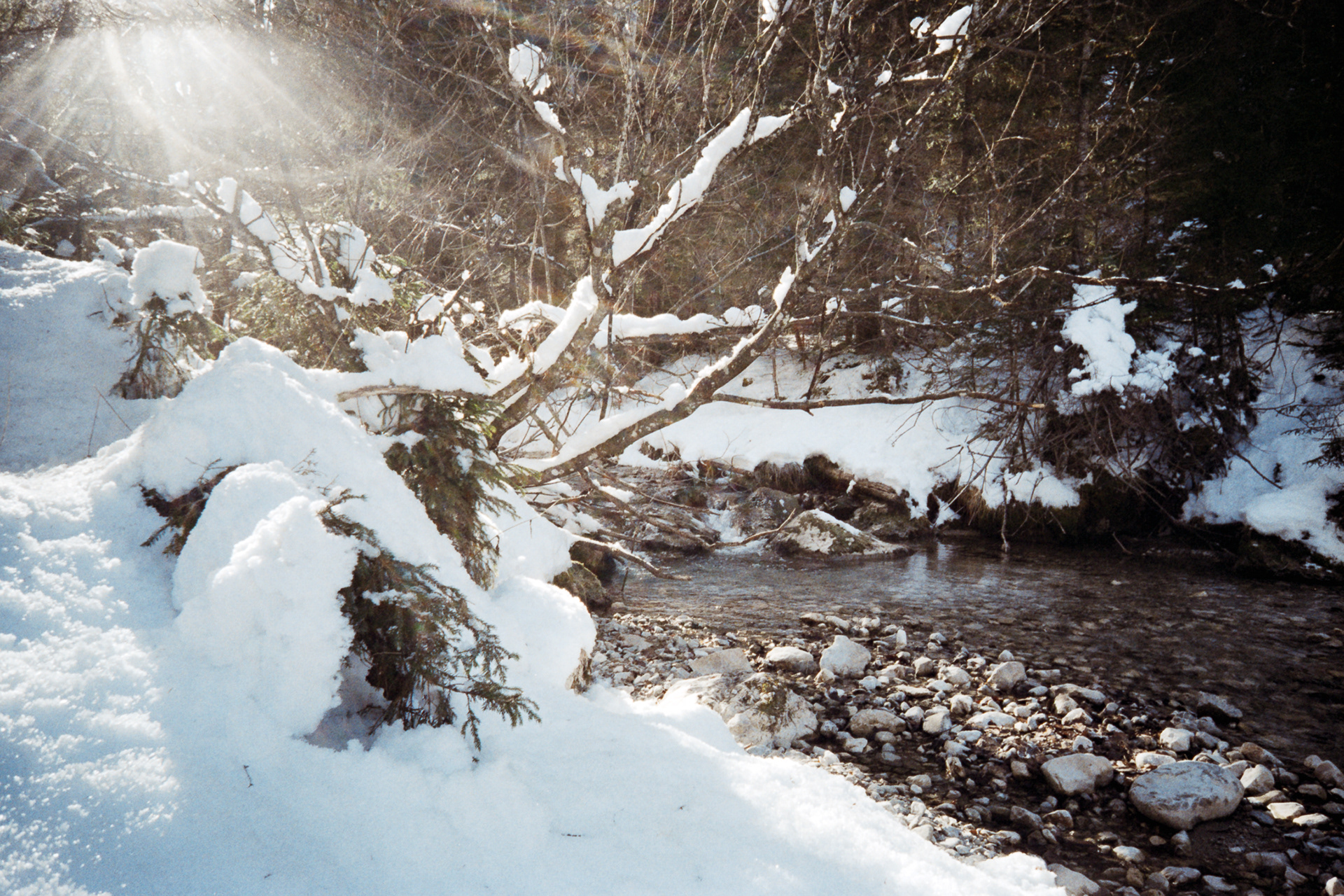
Example of flare directly into shot
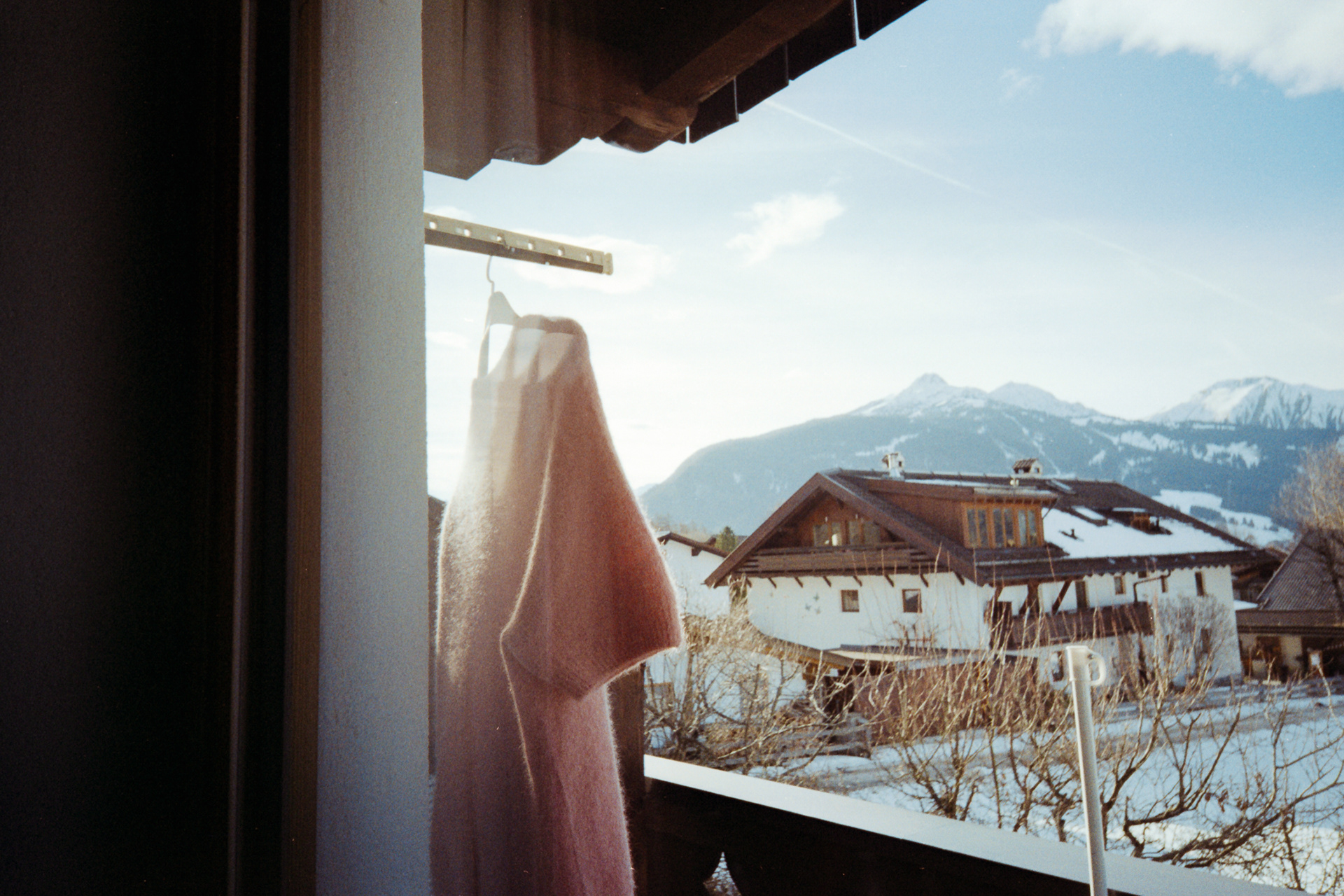
Who I think this camera is actually for
I genuinely think the Snapic A1 can be a great camera for vacations and travel, especially if you like shooting in daylight and you enjoy a simple workflow. The small size, automatic film handling, and the fact that it encourages experimentation make it easy to recommend as a “bring everywhere” companion.
It’s also a camera I would recommend to a beginner, with one small piece of honest guidance: treat it as an outdoor-first camera, and don’t judge film photography based on your first dimly lit indoor roll. If you set expectations correctly, good light, forgiving film, and flash when needed—this camera can be a surprisingly joyful entry point.
Exposure guide: what fixed exposure really means
Shooting with a fixed aperture and shutter speed is a bit like committing to a “daylight mindset.” In practice, the Snapic A1 is happiest when scenes are bright and consistent like snowy mountains at noon, open streets, ski villages in clear weather, anything where the light is doing the heavy lifting. When you move into shade, late-day light, or indoor scenes, you’re asking the film to compensate, which is why latitude matters so much.
The easiest way to think about it is this: if you can comfortably shoot without worrying about motion blur on a sunny walk, you’re in the camera’s sweet spot. If you’re constantly stepping into darker interiors or shooting at dusk, the Snapic A1 will start to feel limited unless you use flash or choose a more forgiving film. It’s not a flaw so much as a design choice—but you’ll enjoy the camera more when you shoot to its strengths.
Best film for the Kodak Snapic A1
Because the Snapic A1 runs on a fixed exposure, your film choice becomes your main control. In bright travel light, ISO 100–200 color negative is the easiest match: it keeps highlights calmer and still gives you plenty of flexibility if a frame lands slightly over. If your trip is more mixed with cloudy days, late afternoons, or you simply want more breathing room, then ISO 400 color negative is the safe all-rounder, especially if you plan to use the flash indoors.
If you shoot black and white, a forgiving ISO 400 B&W stock is usually the most practical choice for travel because it handles contrasty scenes well and keeps you shooting when the light drops. The simple rule is this: if your photos are mostly outdoors in decent light, go slower; if the weather is unpredictable or you’ll be indoors with flash sometimes, go faster. Either way, film with generous latitude will make the Snapic A1 feel far more consistent.
Why it beats a disposable (and why that matters)
It’s tempting to file the Snapic A1 under “disposable vibes,” but the experience is meaningfully better if you shoot film regularly. A reusable body means you can actually build familiarity, Like how it handles daylight, how the flash behaves and how the lens reacts to flare. Without treating every roll like a one-off gamble. And because it automatically advances and rewinds film, it removes the small frictions that often make casual film shooting feel annoying.
The result is a camera that sits in the same emotional lane as a disposable. It's simple, fast, no pressure. but with enough consistency and reusability to make it worth bringing on multiple trips. If your goal is “make pictures, not decisions,” this is exactly the upgrade path that makes sense.
Verdict (priced honestly)
I love the idea of seeing new film cameras arrive in 2026, and I want that trend to grow. At the same time, the Snapic A1 isn’t a miracle: it’s a low-cost tool with real constraints, and a few quirks that become more noticeable in cold conditions and fast moments. If you buy it expecting a perfect point-and-shoot, you’ll be disappointed. If you buy it as a fun, compact travel camera that thrives in good light and invites playful double exposures, it can be genuinely fantastic—especially for the price bracket it sits in.
Troubleshooting (real-world fixes)
If the Snapic A1 feels inconsistent, it’s usually something simple you can correct in the moment. If the film advance lags, especially in cold conditions, treat it like a travel camera problem: keep the camera closer to your body for warmth, and don’t underestimate how much fresh AAA batteries can stabilize performance. If frames come out darker than expected, it’s often because the scene was outside the camera’s comfort zone. Turn the flash on indoors, get closer to your subject, and lean into brighter environments when you want the cleanest results.
If the film ever behaves strangely: unexpected rewinds, frame count confusion, or it feels like it isn’t catching properly—the safest move is to stop forcing it and reset your approach: open the back only when rewound, reload carefully, and make sure the film is seated and engaged before you start shooting again. This camera is built for simplicity, but it still rewards calm handling when something feels off.
FAQ
Is the Kodak Snapic A1 good for beginners?
Yes, as long as you treat it as a simple daylight-friendly camera and use flash indoors when needed. The automatic film handling removes a lot of friction for first-time film shooters.
Does the Snapic A1 have autofocus?
No. It uses two-zone focusing, so you choose either the closer range (0.5–1.5m) or the distance range (1.5m to infinity).
What film should I use?
Because exposure is fixed, film choice matters. In practice, ISO 100/200 makes sense for bright outdoor travel days, while ISO 400 is more flexible for overcast conditions or flash use.
Can you turn the flash off?
Yes. The camera supports flash control (including on/off behavior).
Does it do double exposures?
Yes, with a max of two exposures layered into one frame.
About the author
I’m a photographer based in Gouda, the Netherlands. I shot my first roll of film at twelve and never really stopped. These days I focus on landscapes and portraits, working mostly with 35mm and medium format, drawn to the quiet patience that analog asks for.
Before returning fully to my own practice, I spent years working as a freelance photographer and videographer, assisting other photographers on set, and working in the camera trade. That hands-on background shapes how I review tools like the Kodak Snapic A1: less about specs, more about real-world use, how it feels in your hands, how it behaves on a trip, and whether it helps you make pictures with less friction.
I develop and scan my own film, and I share practical, creator-first notes for people who want to shoot more (and overthink less). For assignments and commissions across the Netherlands, reach out via the contact page.