If you’ve ever seen a 4x5 camera in the wild and thought “that looks like furniture,” you’re not wrong. Large format is slower, more hands on, and a little theatrical. You set up a tripod, you disappear under a dark cloth, and you make one photograph at a time on a single sheet of film. But the complexity is mostly a routine you learn once, then repeat calmly.
What’s different in 2026 is that 4x5 isn’t a dead format you have to fight for. It’s a living niche with real support: film holders and accessories are still widely available, labs increasingly treat scanning as the standard output, and the dominant flow for many photographers is developing, scanning, digital finishing, then a fine art print or publish.
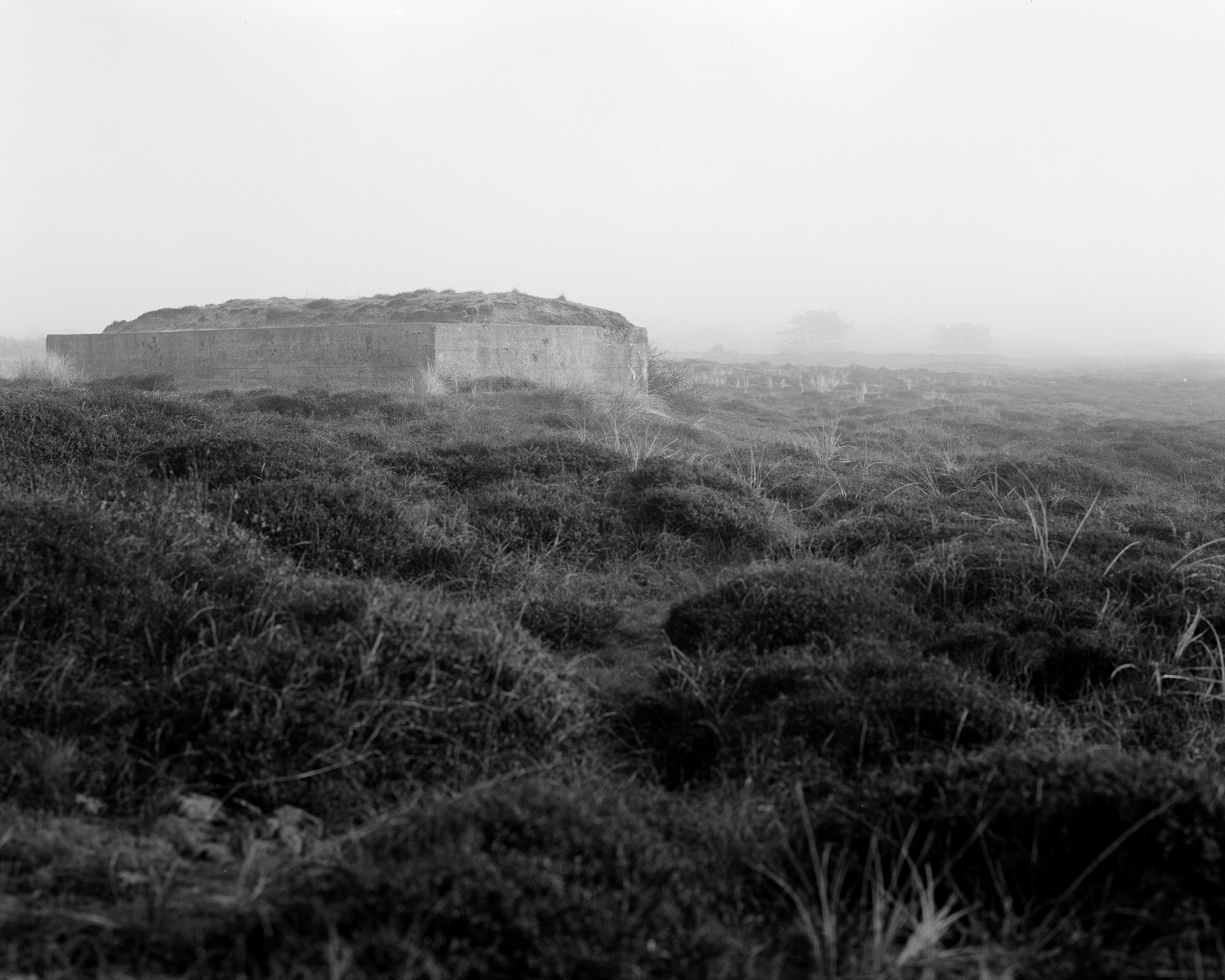
Plain English summary
A 4x5 camera is a light tight box with bellows: lens in front, film in back. You compose and focus on ground glass under a dark cloth, then you insert a sheet film holder, pull a dark slide, expose, and slide it back in. The superpower is that parts of the camera can move, so you can keep straight lines straight and place focus with intention instead of hoping depth of field will save you.
The basic 4x5 workflow
Most of the “mystery” of 4x5 disappears once you understand the rhythm. It looks like this.
1 - Tripod down, camera on.
2 - Open the lens for focusing and compose on the ground glass.
3 - Apply movements if you need them.
4 - Meter, then set shutter speed and aperture on the lens.
5 - Close the shutter before inserting the holder.
6 - Insert the film holder.
7 - Pull the dark slide.
8 - Expose, ideally with a cable release.
9 - Reinsert the dark slide and mark the sheet as exposed.
10 - Write notes if you want consistent results later.
The key limitation is baked in: once the holder is inserted, you are no longer looking through the camera. Anything that moves after you set focus and movements becomes harder to judge, which is why large format loves still subjects and calm conditions.
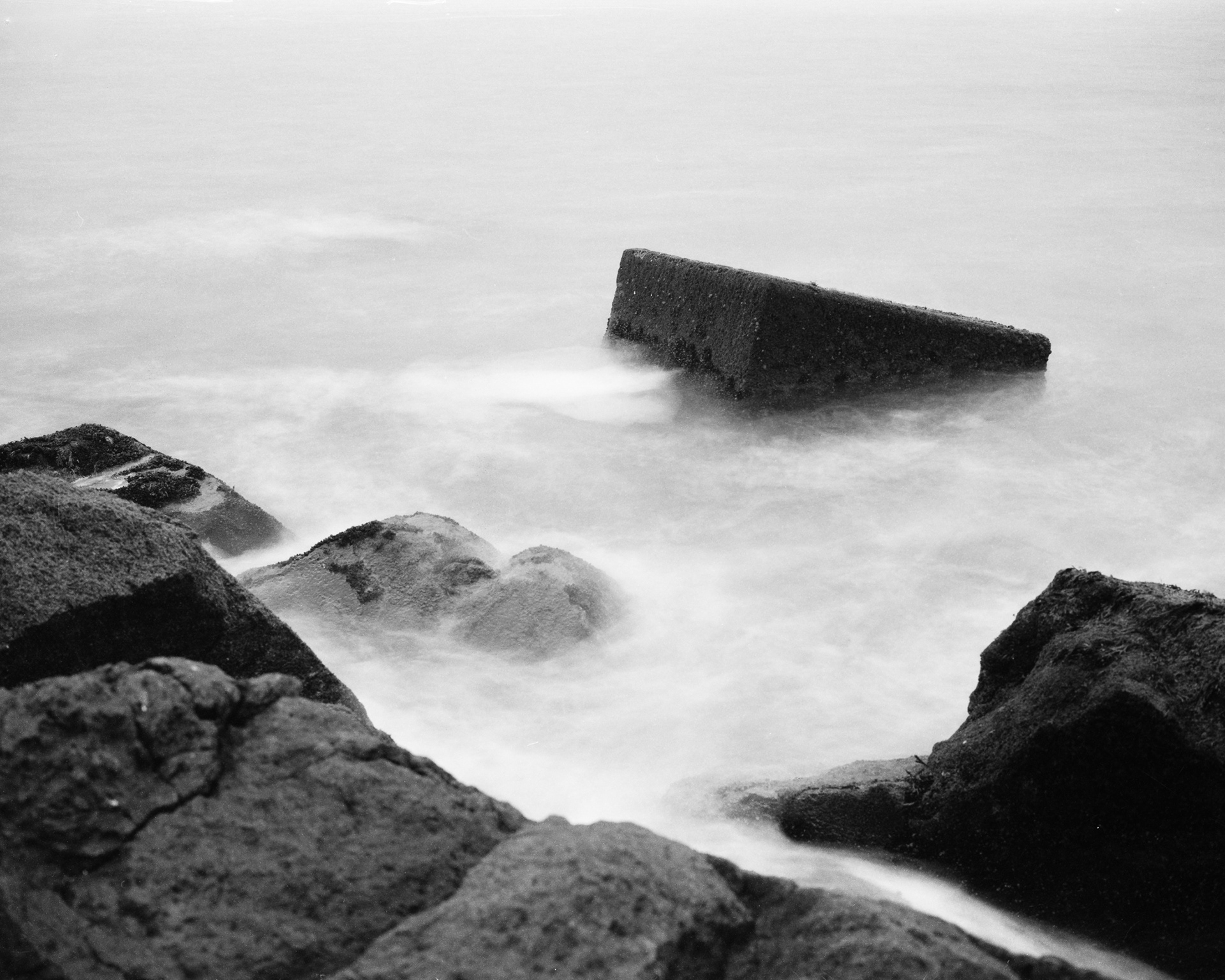
Movements explained
Large format movements are easiest when you think in two categories. Some movements reframe without tilting the camera body, keeping perspective clean. Others change angles between lens and film, which changes how focus behaves.
Rise and fall
Rise moves the front standard up, fall moves it down, while keeping the camera level. This is how you photograph a building without pointing the camera up and making the walls lean backward. If you only learn one movement at the beginning, make it rise, because it immediately solves a problem you can actually see.
Shift
Shift moves the lens left or right. It’s the sideways version of rise and fall, useful when you want to recompose without changing perspective. In real life, shift is great for façades, interiors, and any time your tripod placement is awkward but you still want straight geometry.
Tilt
Tilt changes the angle between the lens plane and the film plane. This lets you “aim” the plane of focus so it runs through the parts of the scene you care about. Landscapes with foreground detail and distant background, tabletop scenes, product work, and receding lines are where tilt stops being a party trick and becomes a daily tool.
If you’re new, the healthiest way to learn tilt is to keep it small, place focus deliberately, then stop down a bit for safety. You don’t need extreme movements to see the benefit.
Front movements vs rear movements
Many beginner friendly cameras emphasize front movements, which is perfect for learning. Some systems also let you move the rear standard, meaning the film back can tilt, swing, shift, or rise depending on the design.
Here’s the simple version that keeps you sane. Front movements are often about framing and focus control. Rear movements can change the way shapes render because you are moving the film plane itself. You don’t need rear movements to make strong work, but they do open a deeper toolbox once you know what you want.
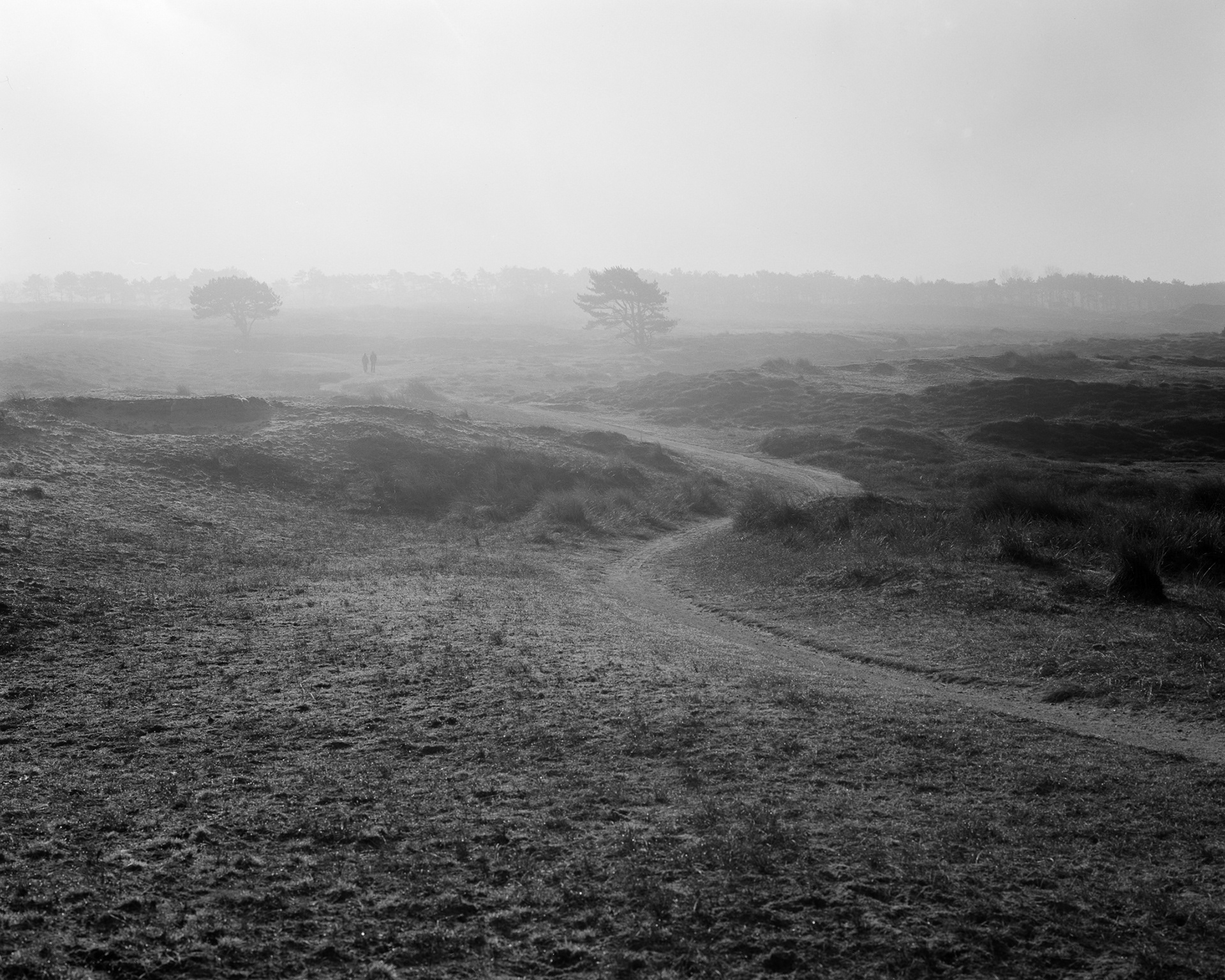
Field cameras, press cameras, and monorails
In 2026, it helps to think of 4x5 cameras as a family of tools. The “best” one is less about prestige and more about whether you will actually carry it and use it. The research also underlines a very practical point: used gear can be great value, but bellows, shutters, and light leaks are part of the real cost.
Field cameras
Field cameras fold up and travel well. For most beginners, this is the best start because portability makes practice realistic.
I started with a field camera, the Horseman 45FA, because the overall size and packability made it a camera I actually took outside. Cameras in a similar portable category, like Toyo 45 style field cameras, are popular for the same reason: they give you the essential movements while staying manageable.
Press cameras
Press cameras were designed for speed and practical use. They can be a lot of fun, and some can be used more quickly than a traditional field setup, but movements are often limited or less pleasant to use. If your main reason to shoot 4x5 is movements and perspective control, press cameras can feel like you bought the format but not the full superpower.
Monorails
Monorails are the movement monsters. They are brilliant for studio, still life, architecture, and any situation where precision matters more than carrying comfort. They can also be surprisingly good value on the used market, but they’re the category where condition checks matter most, and servicing can change the math quickly.
Which is best for beginners
Most beginners should start with a field camera because it’s the most likely to leave the house with you. If your goal is architecture or product work with heavy movements and repeatable precision, a monorail can make sense earlier, especially if you work close to your car or indoors.
A very 2026 specific tip from the research is worth repeating in plain language: choose your output strategy first, then choose your camera. If your end result is a hybrid pipeline, scanning and per frame cost are often the real bottlenecks, not whether your camera body is “premium.”
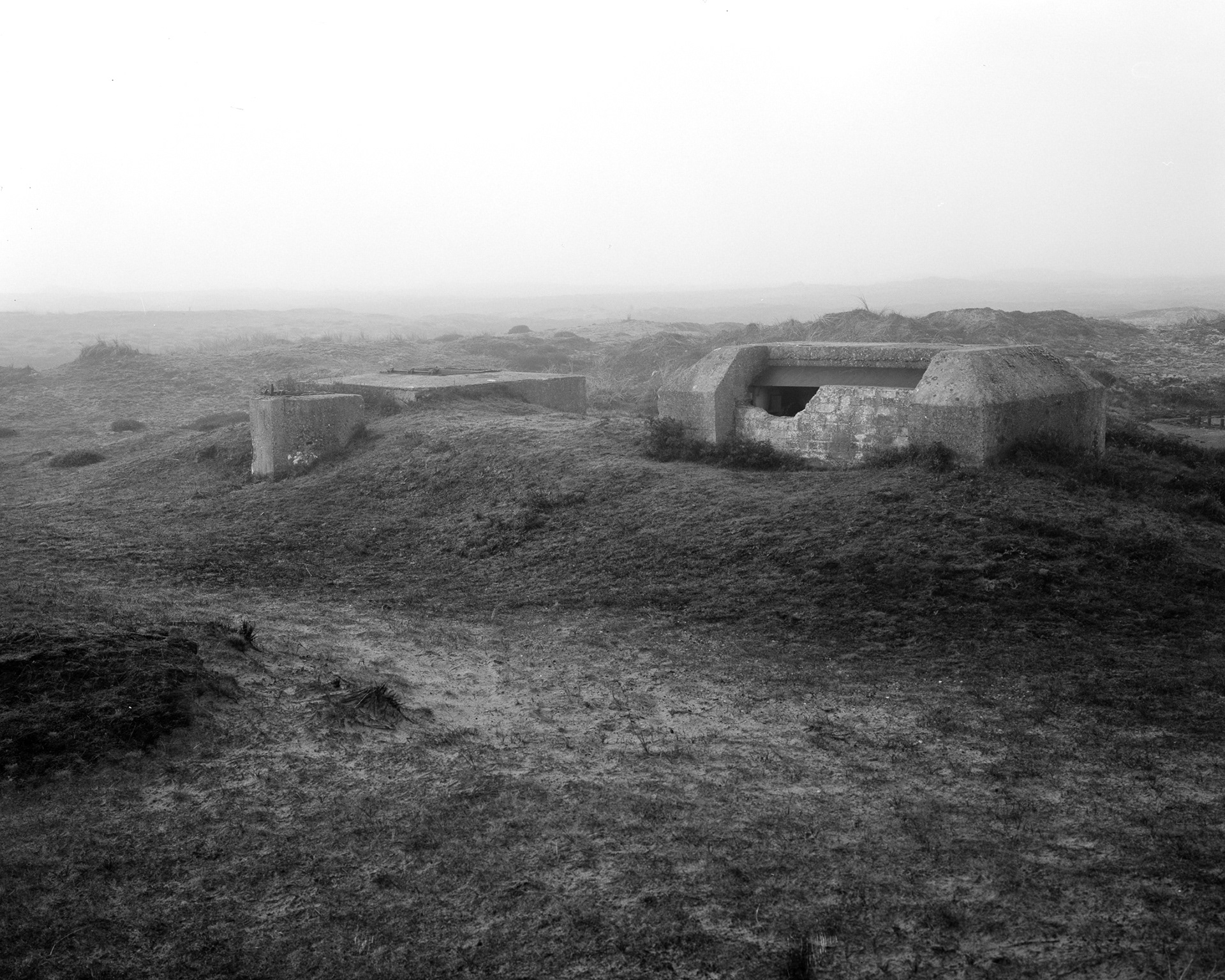
Film holders, explained with the Fidelity Elite
When people say “cassette” in 4x5, they usually mean a sheet film holder. The Fidelity Elite style holder is a great beginner baseline because it’s common, standard, and easy to build a small set around. Double holders remain widely available in 2026, with a wide range of price points depending on brand and whether you buy used or new.
A standard 4x5 holder is typically double sided, meaning you get one sheet per side and two exposures per holder. Many holders also have a little white “whiteboard-ish” label area where you can write film type, ISO, or development notes with a marker. This becomes surprisingly important once you’re carrying multiple holders and your memory starts lying to you.
Loading sheet film
You load sheet film yourself, in total darkness. That usually means a darkbag if you don’t have a darkroom. The first few times feel clumsy, then it becomes muscle memory. The only thing that really matters is that you build a repeatable routine and you don’t rush.
The dark slide: white and black
Many dark slides have a white side and a black side. The common convention is white showing means unexposed, black showing means exposed. The best system is the one you never break, so pick a rule and stick to it obsessively.
Developing and scanning in 2026
A big takeaway from the research is that labs increasingly position 4x5 as a scan friendly high end negative. The dominant pattern is developing, scanning, digital finishing, then fine art printing or digital publication.
In the Netherlands, the service infrastructure is strong enough that you can shoot 4x5 without owning a darkroom and still get professional results. The research includes examples of Dutch providers offering 4x5 development, and scan workflows including Imacon Flextight “virtual drum” style scanning.
One concrete example from the research: Cameralisatie lists 4x5 scanning around 2040 dpi, and gives example prices for dev only and per frame scanning.
Home development without drama
Black and white is where home development becomes genuinely approachable and cost effective. The research points out that compact home processing systems are a “niche enabler” for 4x5: even without a darkroom, you can develop efficiently, then scan.
If you want to develop in a Paterson tank, you need a sheet film solution that keeps sheets separated, such as the MOD54 insert. That keeps the barrier low for people who already understand daylight tank development from smaller formats.
A quick environmental note that matters: if you develop at home, treat chemical handling and disposal seriously. The research flags silver in fixer as the key issue, and recommends controlled disposal routes and proper labeling and separation.
What it costs in real life
With 4x5, the camera body is rarely the real cost. The cost lives in the per frame pipeline: film, development, scanning, and your chosen output.
Black and white can stay relatively reasonable. For example Fomapan 200 in 4x5 at €28,99 for 25 sheets, which is about €1,16 per sheet before development and scanning. That’s why your “around €2 per photo” feeling can be realistic when you develop at home and keep scanning costs sensible.
Color is available but tends to be expensive and sometimes inconvenient depending on lab schedules. Slide film can get intense.
Resolution and scan size
One of the joys of 4x5 is how quickly it becomes “a lot of pixels” once scanned well. 2040 dpi on 4x5 yields roughly 8k by 10k pixels in theory, on the order of about 80 megapixels depending on crop and real world factors like film flatness.
As a practical rule of thumb, many photographers scan 4x5 in the 2400 to 3200 dpi range when the scanner and setup justify it, which can land you in roughly 125 to 200 megapixels plus. The bigger point is not bragging rights. It’s headroom for large prints and careful retouching.
The modular advantage: lenses and holders travel with you
Large format is refreshingly modular. Lenses mount on a lensboard, which is effectively the camera’s “mount.” If you change bodies later, you can often keep your lenses and just switch or adapt lensboards. Film holders are also broadly reusable across many 4x5 systems, so you’re not locked into one brand’s ecosystem.
This is one of the reasons 4x5 feels less like “upgrading a camera” and more like building a kit over time.
The downsides you feel fast
The biggest limitation is visibility. You can’t shoot and keep looking through the camera at the same time, so anything that changes after you focus is harder to catch.
The other practical friction is shutter access. On most 4x5 setups, the shutter is on the lens, not the camera body, which is why a cable release quickly becomes part of the “normal kit.” It also helps reduce vibration, and vibration is surprisingly visible when you’re working with negatives that can resolve so much detail.
Finally, a tripod is almost always part of the system. Depending on your camera type and what you shoot, you can sometimes bend that rule, but most beginners enjoy 4x5 more when they stop fighting it and build around stability.
Conclusion
4x5 large format photography is worth it when you lean into what it does best: slowing you down, making you deliberate, and giving you movements that solve real problems while fitting into a modern hybrid output pipeline.
If you want the simplest path in, start with a portable field camera like the Horseman 45FA style approach, a small set of Fidelity type holders, one lens, and a workflow you can repeat without stress. Once the routine is solid, the “large format magic” stops being mysterious and starts being dependable.
FAQ
What movement should I learn first?
Rise, because it solves perspective problems immediately and makes tall subjects feel clean.
Is tilt hard to use?
It’s unfamiliar more than hard. Start with small tilts, place focus deliberately, and stop down a little for safety.
How many film holders do I need to start?
Three holders gives you six shots, which is workable. Five holders gives you ten shots, which feels like a real outing without constant reloading.
Do I need a darkbag?
If you don’t have a darkroom, yes. You load sheet film yourself in total darkness.
Is home development worth it?
For black and white, often yes. It's worth doing color in the long run since development costs come at a premium if done by a lab.
Is 4x5 still supported in 2026?
Yes, but availability can be uneven, especially for specific color and slide stocks, and retailers can go in and out of stock.
What’s the biggest beginner mistake?
Forgetting to close the shutter before inserting the holder, and not having a strict system for tracking which sheets are exposed.
About the author
Perry van der Steen writes about film photography from a maker first perspective: the experience of using the tools, the rhythm of the workflow, and the reality of costs and trade offs. This guide is built to help beginners start shooting 4x5 without turning it into a stress hobby, with a 2026 reality check on labs, scanning, and sustainable workflows.